

What's Happening?
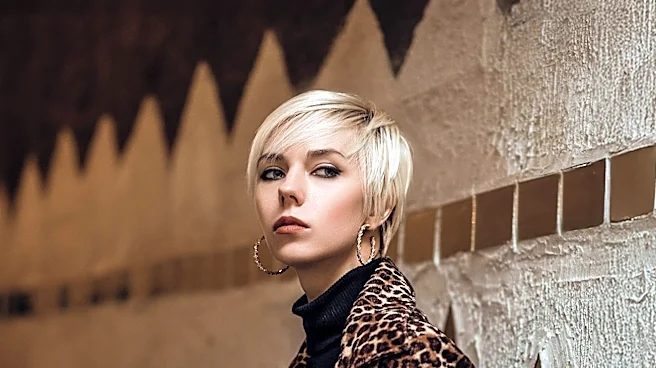
The 'mob wife aesthetic' is characterized by a maximalist approach to fashion, featuring prominent elements such as large faux fur coats, oversized gold jewelry, animal prints, dark sunglasses, and red lipstick, according to one source. This aesthetic gained
significant traction in January 2024, particularly on TikTok, following a viral video by creator Kayla Trivieri declaring 'Clean girl is out, mob wife era is in.' The hashtag #mobwife quickly amassed over 100 million views within weeks. The timing coincided with the 25th anniversary of 'The Sopranos,' with characters like Carmela Soprano, Ginger McKenna from 'Casino,' and Karen Hill from 'Goodfellas' becoming style icons for this trend. This look is seen as a deliberate maximalist reaction against the 'quiet luxury' and 'clean girl aesthetic' of 2023, openly displaying wealth and patterns that the previous trends concealed. It draws inspiration from old Hollywood glamour, recontextualized as a suburban Italian-American fantasy of ill-gotten gains.
Why It's Important?
The emergence and rapid popularization of the mob wife aesthetic highlight a significant shift in fashion trends, moving away from understated luxury towards more overt and expressive styles. This trend's viral nature on platforms like TikTok demonstrates the powerful influence of social media in dictating contemporary fashion and cultural movements. The aesthetic's connection to iconic media figures and its timing with 'The Sopranos' anniversary underscore the cyclical nature of fashion and the enduring impact of pop culture on style. Economically, this micro-trend has shown a tangible impact, with a surge in demand for faux fur at the beginning of 2024, as evidenced by a 212.7% increase in Zara interest and a 557% rise in Klarna purchases for such items. This indicates how quickly consumer behavior can be influenced by viral trends, creating short-term booms for specific product categories. However, the subsequent decline in demand by spring also illustrates the fleeting nature of many social media-driven fashion fads.
What's Next?
While the initial surge in demand for faux fur and related items has subsided, the mob wife aesthetic may continue to influence fashion in more subtle ways, potentially inspiring designers to incorporate elements like bold prints, statement jewelry, and luxurious textures into future collections. The trend's rapid rise and fall suggest that consumers and retailers will need to remain agile in responding to fast-changing social media-driven fashion cycles. For individuals looking to adopt the aesthetic, the advice is to choose one statement piece, such as a faux or vintage fur coat, keep the rest of the outfit simple, invest in a gold accessory and red lipstick, and approach it as a costume drama rather than a tribute to real crime. This guidance suggests a future where the aesthetic is adopted more for its theatricality and less for its literal interpretation, potentially leading to more nuanced and personalized expressions of the style.
Beyond the Headlines
The mob wife aesthetic has sparked deeper discussions regarding the glamorization of organized crime and its ethical implications. Critics argue that the trend romanticizes a lifestyle associated with serious criminal activity, overlooking the harsh realities faced by individuals connected to the mafia. Academic Felia Allum points out that real women associated with the mafia often dressed modestly and lived in poverty, a stark contrast to the glamorous fantasy portrayed by the aesthetic. This highlights a broader societal issue of how media and fashion can inadvertently sanitize or even celebrate problematic elements of culture. The trend also underscores the tension between fashion as a form of self-expression and its potential to perpetuate harmful stereotypes or misrepresentations. It serves as a reminder that while fashion can be playful and transformative, it also carries cultural weight and can provoke important conversations about representation and social responsibility.