




What's Happening?
Lisbon, Portugal, has seen a significant surge in tourism, with visitor numbers sharply increasing to over 7 million arrivals per year. This rapid growth, which began around 2016, has led to noticeable changes in the city. Residents are expressing concerns
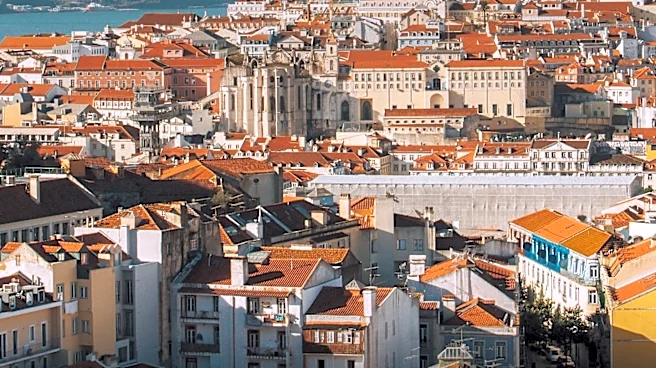
about the impact on their daily lives, citing crowded streets, increased noise in historic neighborhoods like Alfama, and rising housing prices. Evidence of this sentiment can be seen in protest signs and graffiti with messages such as 'Tourist Go Home.' The city's infrastructure, while robust with a well-connected airport and public transit system including metro, trams, and buses, is feeling the strain of increased visitor traffic. Historic areas like Alfama, known for their winding alleys, contrast with modern rebuilt districts like Baixa, showcasing Lisbon's blend of old and new. The city's popularity is also driven by its walkability, though its hilly terrain often necessitates the use of public transportation.
Why It's Important?
The rapid increase in tourism in Lisbon highlights a growing global challenge known as 'overtourism,' where popular destinations struggle to balance economic benefits with the quality of life for local residents. For the U.S. tourism industry and travelers, Lisbon's situation serves as a case study in sustainable travel practices. As more Americans travel internationally, understanding the impact of their visits on local communities becomes crucial. The pushback from Lisbon residents could influence how other popular European destinations manage their tourism sectors, potentially leading to stricter regulations on short-term rentals, increased tourist taxes, or campaigns promoting off-peak travel. This scenario also underscores the importance for U.S. tour operators and travel agencies to educate their clients on responsible tourism, encouraging choices that support local economies without overwhelming local resources or displacing residents. The rising housing costs in Lisbon, partly attributed to tourism, reflect a broader economic issue that could affect urban planning and social equity in other highly sought-after cities worldwide.
What's Next?
In response to growing resident concerns, Lisbon may implement new policies aimed at managing tourism more sustainably. This could include stricter regulations on short-term rental properties, such as limiting their number or imposing higher taxes, to alleviate pressure on housing prices. The city might also invest further in public infrastructure to better accommodate both residents and tourists, or launch campaigns to encourage visitors to explore less-trafficked areas and support local businesses directly. For travelers, this could mean a shift towards more conscious travel choices, such as opting for locally owned guesthouses and hotels over short-term rentals, and being mindful of noise levels and cultural norms in residential areas. Tour operators like 'We Hate Tourism Tours' are already offering alternatives, focusing on small group tours that aim to provide a different perspective of Lisbon and mitigate the negative impacts of mass tourism. Future developments will likely involve ongoing dialogues between city officials, tourism stakeholders, and local communities to find a balanced approach to tourism growth.
Beyond the Headlines
The situation in Lisbon extends beyond mere visitor numbers, touching upon deeper ethical and cultural dimensions of global tourism. The 'Tourist Go Home' sentiment reflects a tension between economic development and cultural preservation, raising questions about who truly benefits from tourism booms. Ethically, it prompts travelers to consider their role in contributing to or alleviating these pressures. The displacement of residents due to rising housing costs, often driven by the proliferation of short-term rentals, highlights a significant social equity issue. Culturally, the influx of tourists can dilute local traditions and transform authentic neighborhoods into commercialized attractions, altering the very essence that drew visitors in the first place. This dynamic could trigger long-term shifts in how cities worldwide approach urban planning and cultural heritage, moving towards models that prioritize resident well-being and authentic local experiences over sheer visitor volume. It also encourages a re-evaluation of the 'tourist' identity, urging a shift towards becoming a 'traveler' who engages respectfully and contributes positively to the visited community.