





What's Happening?
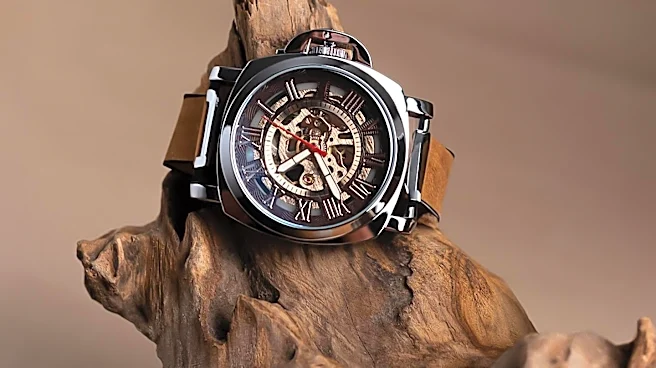
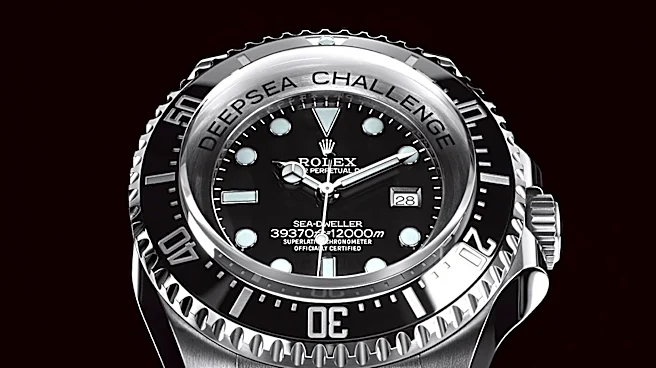
The market for counterfeit luxury watches, particularly Rolex, has reached a new level of sophistication with the emergence of 'super clone' replicas. These fakes are so meticulously crafted that they can pass as genuine, even to trained staff at official
brand boutiques. A recent incident involved a WIRED journalist successfully having a counterfeit Rolex adjusted at a flagship London store, with staff complimenting the watch's beauty without detecting its inauthenticity. These high-quality replicas are mass-produced in Chinese factories and distributed through discreet online channels, including social media platforms like TikTok and Instagram, with transactions often brokered via WhatsApp. Dealers even offer customer service, warranties, and guarantees against customs seizures, highlighting the organized nature of this illicit trade.
Why It's Important?
The rise of 'super clone' counterfeit watches poses a significant threat to the luxury goods market and consumer trust. For brands like Rolex, it undermines their exclusivity, intellectual property, and the perceived value of their products. Consumers are at increased risk of being defrauded, especially in the secondary market, where these fakes can be used in 'bait-and-switch' scams or to dupe pawnbrokers. The global trade in fake goods was valued at $467 billion in 2021, representing 2.3 percent of all global trade, with watches ranking fifth by quantity and first by value among seized counterfeit items. This trend indicates a growing challenge for law enforcement and customs agencies in identifying and intercepting these increasingly sophisticated fakes, as well as for authentication services that rely on subtle distinctions.
What's Next?
Luxury brands will likely need to invest more heavily in advanced anti-counterfeiting technologies and training for their staff to detect these highly convincing replicas. This could include developing new security features that are harder to replicate or employing more sophisticated authentication processes. Law enforcement agencies will face increased pressure to disrupt the supply chains of these 'super clone' manufacturers and distributors, which operate globally through encrypted communication channels and discreet delivery methods. Consumers will need to exercise extreme caution when purchasing luxury watches from unofficial sources, and the demand for reliable third-party authentication services is expected to grow. The legal and ethical implications of owning or selling such high-quality fakes will also continue to be debated, potentially leading to stricter regulations and penalties.
Beyond the Headlines
The phenomenon of 'super clone' watches reflects broader trends in global manufacturing and intellectual property theft. The ability of counterfeiters to replicate complex mechanical movements and intricate designs suggests a significant transfer of manufacturing expertise and technology. This raises questions about the effectiveness of international intellectual property protections and the challenges of enforcing them across borders, particularly with manufacturers operating in jurisdictions where such enforcement is weak. Furthermore, the ease with which these fakes are distributed through social media and messaging apps highlights the role of digital platforms in facilitating illicit trade, prompting calls for greater platform accountability. The psychological aspect of owning a 'super clone' also warrants consideration, as it blurs the lines between genuine luxury and accessible imitation, potentially altering consumer perceptions of value, status, and authenticity in the luxury market.