





What's Happening?
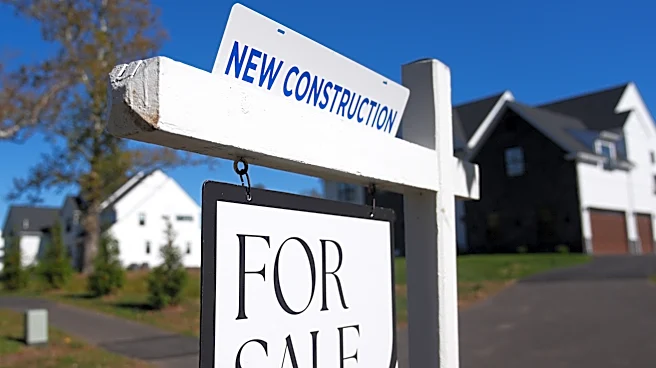
The Federal Reserve recently decided to maintain its benchmark interest rate, despite three officials advocating for an increase. This decision comes as the average 30-year U.S. mortgage rate has climbed to 6.66%, the highest in a year. The rise in mortgage rates
is attributed to elevated Treasury yields and ongoing geopolitical tensions in the Middle East, which have driven up energy prices and inflation concerns. The housing market has been adversely affected, with pending sales dropping to their lowest since early April. Realtor.com Senior Economist Anthony Smith noted that the breakdown of peace talks in Iran has contributed to market uncertainty and inflationary pressures.
Why It's Important?
The decision by the Federal Reserve to hold rates steady, despite rising inflation and mortgage rates, highlights the delicate balance policymakers must maintain between controlling inflation and supporting economic growth. The increase in mortgage rates could further dampen the housing market, affecting homebuyers and the broader economy. Elevated borrowing costs may deter potential buyers, leading to a slowdown in housing transactions. This situation underscores the economic divide, as luxury home sales remain robust while starter home sales decline. The Fed's future actions will be closely watched, as any rate hikes could further impact the housing market and broader economic conditions.
What's Next?
With the Federal Reserve signaling a potential rate increase in the future, stakeholders in the housing market and broader economy are likely to remain cautious. Homebuyers may rush to lock in current rates, fearing further increases. The ongoing geopolitical tensions and their impact on energy prices will continue to influence inflation and economic stability. Policymakers will need to monitor these developments closely to determine the appropriate timing and magnitude of any future rate adjustments.