





What's Happening?
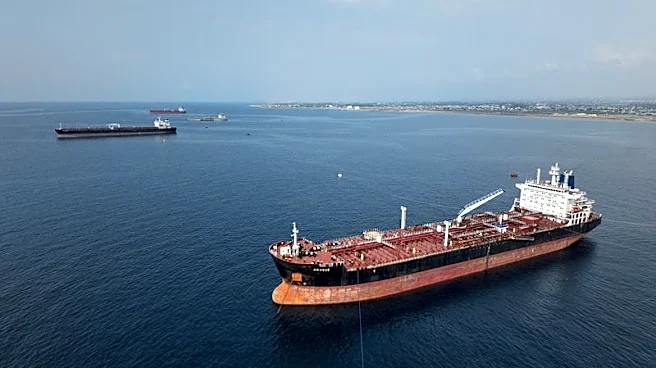
Freight rates for Russian oil shipments from western ports to India have continued to hold at record highs as of late October. This sustained increase is attributed to ongoing risks in the Black Sea region, a persistent shortage of available vessels,
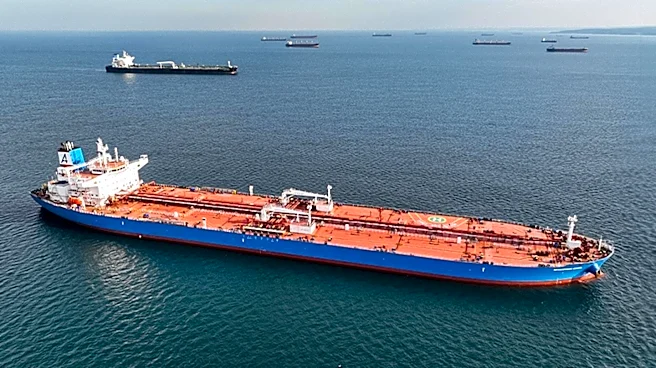
and robust global demand for oil. Western sanctions have compelled Russia to reroute the majority of its crude oil exports from its western ports to Asian markets, primarily India and China, necessitating longer and more expensive shipping routes. The cost of shipping Urals crude to India is currently around $30 per barrel or more, a significant increase from approximately $20 in September. Specifically, the cost for a 100,000-metric-ton cargo on an Aframax tanker from Russia's Baltic ports to western India remains around $23 million per one-way voyage, up from $13 million-$16 million in September. Similarly, Suezmax tankers for the same route are being fixed at about $27 million. For Urals crude from the Black Sea to India on Suezmax tankers, costs have reached a record $30 million per one-way voyage, an increase from about $19 million in September. These elevated shipping costs are substantially impacting the profits of Russian oil exporters.
Why It's Important?
The persistently high freight rates for Russian oil exports have significant implications for global energy markets and the effectiveness of Western sanctions. For Russia, these increased costs directly reduce the profitability of its oil sales, as shipping expenses consume a larger portion of the revenue. This situation could strain Russia's economy, which heavily relies on oil and gas exports. For importing nations like India and China, while they benefit from discounted Russian oil, the higher freight costs partially offset these discounts, potentially leading to higher landed costs for crude. Globally, the tight tanker market and the rerouting of Russian oil contribute to overall shipping capacity constraints and could influence global oil prices. The ongoing disruptions in the Black Sea, including drone attacks and heightened war tensions, underscore the geopolitical risks associated with energy supply chains, making oil transportation more complex and expensive. This scenario highlights the interconnectedness of geopolitical events, shipping logistics, and global energy economics, affecting producers, transporters, and consumers alike.
What's Next?
The outlook suggests that freight rates for Russian oil are likely to remain elevated, with potential for further increases. Shipping sources indicate that the upcoming winter season is expected to exacerbate the situation, as adverse weather conditions will further complicate shipping operations and potentially lead to more delays. This could intensify the shortage of available vessels and drive freight costs even higher. Oil sellers are reportedly seeking lower rates, but shipowners are reluctant to offer discounts, indicating a strong negotiating position for carriers due to high demand and limited supply. Continued geopolitical tensions in the Black Sea region, including potential drone attacks, will also contribute to sustained risk premiums in shipping insurance and operations. These factors suggest that Russian oil exporters will continue to face significant cost pressures, which could influence their pricing strategies and the overall dynamics of the global oil market in the coming months.
Beyond the Headlines
The sustained high freight rates for Russian oil reveal deeper structural shifts in global maritime trade and energy geopolitics. The reliance on longer shipping routes to Asia, necessitated by Western sanctions, has fundamentally altered traditional trade flows and increased transit times, leading to greater demand for tankers and pushing up rates. This situation also highlights the emergence of a parallel shipping ecosystem, as some vessels and insurers may be more willing to engage in Russian oil transport despite sanctions, albeit at a higher premium due to perceived risks. The Black Sea's instability underscores the vulnerability of critical maritime chokepoints to geopolitical conflicts, prompting a re-evaluation of supply chain resilience for energy commodities. Furthermore, the increased costs of transportation could indirectly incentivize some nations to accelerate their transition to alternative energy sources or diversify their oil suppliers to mitigate reliance on volatile routes and high shipping expenses, potentially accelerating long-term shifts in global energy consumption patterns.