






What's Happening?
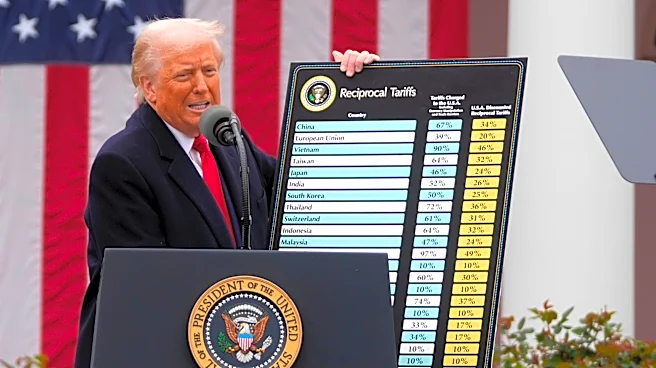
The 2026 peak season for U.S. retailers and importers is marked by significant adjustments in shipping strategies due to anticipated tariff changes. The expiration of the White House's temporary 10% Section 122 tariffs has led to a surge in early shipping,
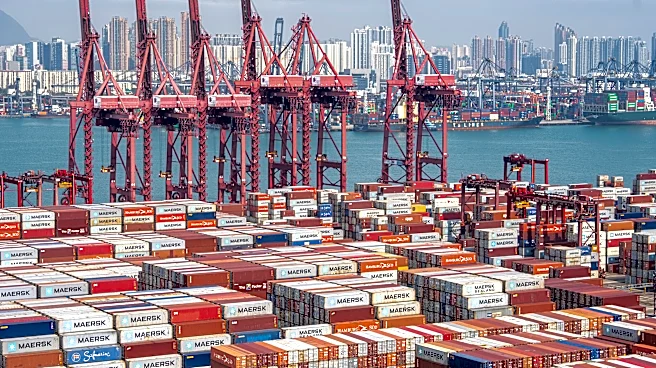
as companies aim to avoid potential higher tariffs. The Port of Los Angeles reported a 12% increase in volume for June, marking it as the busiest on record, driven by strong import demand and evolving trade policies. Retailers are strategically advancing cargo shipments to balance back-to-school and holiday demands against rising tariffs and fuel costs. A Logistics Management survey indicates that 52% of industry stakeholders expect a more active peak season compared to last year, influenced by customer delivery commitments and geopolitical issues.
Why It's Important?
The adjustments in shipping strategies highlight the broader impact of trade policy uncertainties on the U.S. economy. Retailers and manufacturers are forced to navigate complex logistics to maintain supply chain efficiency and cost-effectiveness. The potential increase in tariffs could lead to higher consumer prices, affecting spending habits during critical retail periods like back-to-school and holiday seasons. The situation underscores the need for businesses to develop flexible strategies to mitigate risks associated with trade policy changes. The ongoing uncertainty also affects logistics operations, with 78% of survey respondents indicating significant impacts on day-to-day activities, including labor shortages and increased logistics coordination.
What's Next?
As the peak season progresses, stakeholders will continue to monitor trade policy developments and adjust their strategies accordingly. The National Retail Federation predicts a decline in second-half volumes, suggesting that businesses may face challenges in maintaining inventory levels. Companies are likely to refine their 'playbook for uncertainty,' leveraging past experiences to manage risks effectively. The potential for new tariffs in August could prompt further strategic shifts, with businesses seeking to optimize their supply chains to minimize cost impacts. The evolving trade landscape will require ongoing adaptation and strategic planning from retailers and logistics providers.