






What's Happening?
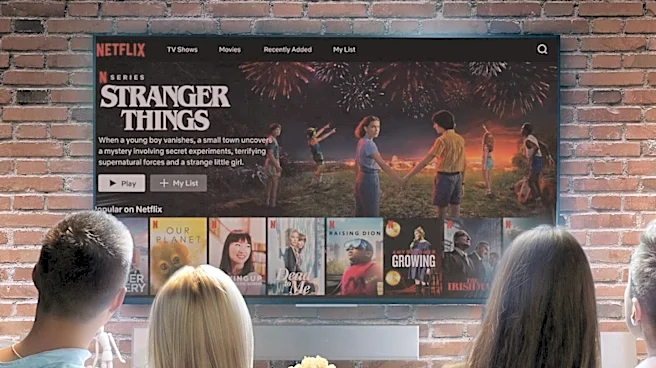
Netflix, a dominant force in streaming since 2007, began producing its own content in 2012, leading to a vast catalog of original series and films. While many have achieved critical acclaim and widespread popularity, several groundbreaking Netflix Originals
have gradually receded from public conversation. These include 'House of Cards,' which was Netflix's first original series to win major awards but faced significant challenges due to misconduct allegations against its star, Kevin Spacey, leading to a rewrite for its final season. 'Orange Is the New Black' was celebrated for its diverse ensemble cast and for featuring the first openly transgender performer to receive an Emmy nomination for acting, Laverne Cox. 'Making a Murderer' was a pivotal true-crime documentary that sparked widespread debate and even petitions to the White House regarding the justice system. Martin Scorsese's 'The Irishman,' a high-budget gangster epic, garnered 10 Oscar nominations but failed to win any and is noted for its lengthy runtime, which may contribute to its lower rewatchability. 'Altered Carbon,' a science fiction series, initially received strong reception for its unique premise but saw a decline in audience engagement after a lead actor change in its second season. These titles, despite their initial impact, are now less frequently discussed.
Why It's Important?
The evolution of Netflix's original content strategy highlights the dynamic nature of the streaming industry and audience engagement. The fading prominence of once-groundbreaking shows like 'House of Cards' and 'Orange Is the New Black' illustrates how quickly content can be overshadowed by newer releases, even for a platform as dominant as Netflix. This trend impacts content creators and studios, as it underscores the challenge of maintaining long-term relevance in a saturated market. For viewers, it means a constant influx of new material, but also the potential for critically acclaimed or culturally significant works to be overlooked over time. The high production costs associated with projects like 'The Irishman' and 'Altered Carbon' also demonstrate the significant financial risks involved in creating original content, especially when long-term viewership or awards recognition doesn't fully materialize. The shift in audience focus also influences how Netflix and other streamers strategize future investments, potentially favoring content with immediate, high-impact appeal over those with slower burns or niche audiences.
What's Next?
As Netflix continues to invest heavily in original programming, the platform will likely focus on strategies to keep its content fresh and engaging for its global subscriber base. This could involve more aggressive marketing campaigns for new releases, shorter content cycles, or a greater emphasis on series that can generate sustained buzz through social media and cultural relevance. The company may also analyze viewership data from these past groundbreaking shows to understand what factors contribute to long-term engagement versus fleeting popularity. For older, critically acclaimed titles that have faded, Netflix might explore ways to reintroduce them to new audiences, perhaps through curated collections, anniversary features, or strategic re-promotion. The industry as a whole will continue to grapple with content saturation, prompting streaming services to innovate in how they produce, distribute, and sustain interest in their original offerings. This could lead to more diverse content strategies, including a mix of high-budget blockbusters and smaller, more experimental projects, all vying for viewer attention in a competitive landscape.
Beyond the Headlines
The phenomenon of groundbreaking Netflix Originals fading from public discourse reflects broader shifts in media consumption and cultural memory in the digital age. The sheer volume of content available across numerous streaming platforms means that even highly acclaimed works can struggle to maintain a lasting presence in collective consciousness. This raises questions about the long-term cultural impact of streaming-era productions compared to traditional television or film, where content had longer shelf lives due to limited distribution channels. The rapid consumption cycle also influences artistic creation, potentially pushing creators towards more immediately gratifying narratives or formats that can quickly capture and retain attention. Furthermore, the decline in discussion around certain shows, such as 'House of Cards' due to scandal, highlights the increasing scrutiny on individuals involved in productions and how personal conduct can impact the legacy of a creative work. This evolving landscape challenges traditional notions of media longevity and cultural canon, suggesting a more fluid and transient relationship between audiences and content.