




What's Happening?
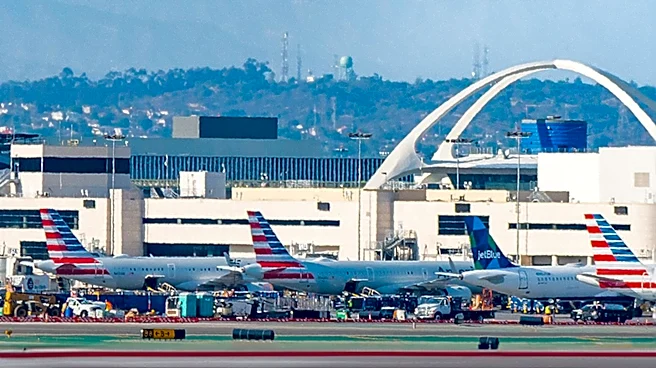
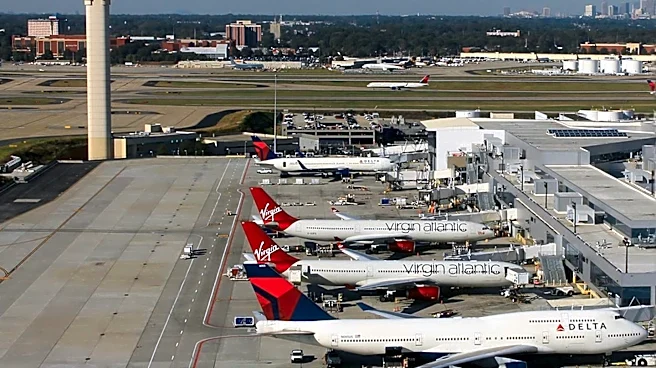
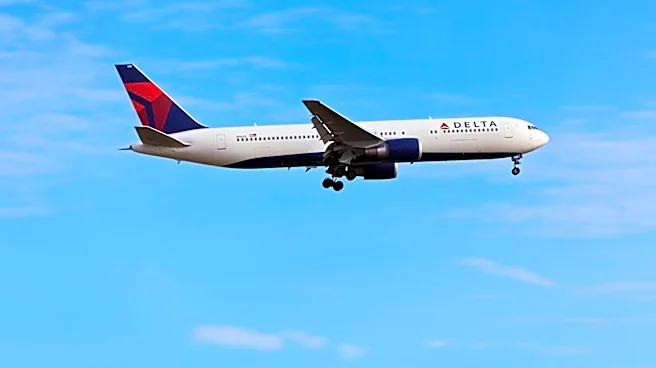
Delta Air Lines CEO Ed Bastian has called for increased investment in the nation's air traffic infrastructure following a nationwide ground stop ordered by the Federal Aviation Administration (FAA). The ground stop, which occurred on a Friday afternoon,
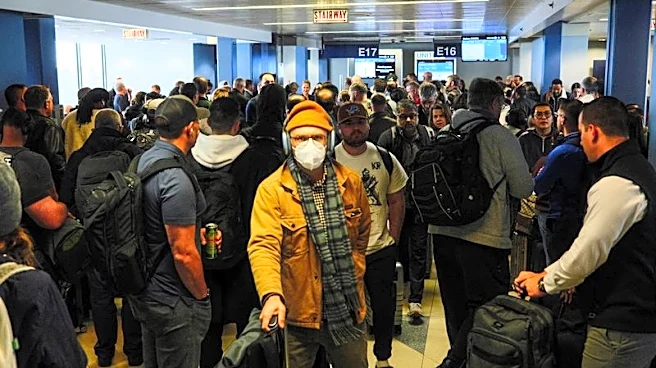
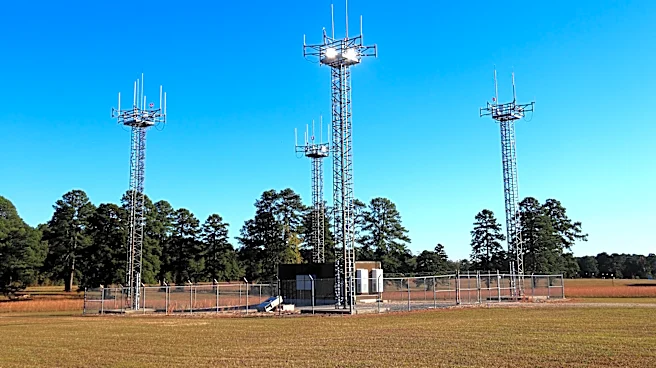
was attributed to a router failure at a remote location near El Dorado, Arkansas. This incident led to thousands of flight cancellations over the subsequent weekend, causing significant disruptions and leaving many passengers stranded. According to Bastian, the ground stop cost the airline industry 'millions' of dollars. He emphasized that the event should not erode confidence in the national air system but rather serve as a catalyst for necessary infrastructure upgrades.
Why It's Important?
The FAA's nationwide ground stop and the subsequent call for investment by Delta's CEO highlight critical vulnerabilities within the U.S. air traffic control system. The fact that a single point of failure—a router in a remote location—could trigger such widespread disruption underscores the need for enhanced redundancy and modernization in air traffic infrastructure. For the airline industry, such ground stops are not merely temporary delays; they lead to cascading cancellations, mispositioned crews and aircraft, and substantial financial losses. This incident shifts the focus of the debate from airline operational performance to the foundational architecture of the air traffic control system, potentially influencing future funding allocations and policy decisions regarding aviation infrastructure. It also brings to the forefront the economic impact of system failures on airlines and the broader travel industry.
What's Next?
The FAA and the Department of Transportation are expected to provide a detailed account of the El Dorado router failure, which will be crucial in determining the specific funding and redundancy measures that may follow. The airline industry, led by figures like Delta CEO Ed Bastian, will likely continue to advocate for significant investment in air traffic control infrastructure. This advocacy could influence congressional appropriations and regulatory changes aimed at modernizing the system and preventing similar widespread disruptions in the future. The incident may also prompt a re-evaluation of existing protocols for managing system failures and improving communication between the FAA and airlines during such events. The long-term outcome could be a more resilient and technologically advanced air traffic control system, but this will depend on the political will and financial commitment to address the identified vulnerabilities.
Beyond the Headlines
The incident reveals a deeper systemic issue: the reliance of a complex national infrastructure on individual network nodes, where a single point of failure can have disproportionate consequences. Beyond the immediate financial impact on airlines and inconvenience to passengers, such events can erode public trust in the reliability of air travel. The call for infrastructure investment by a major airline CEO also signifies a potential shift in how the industry and government approach shared responsibilities for operational stability. It moves beyond assigning blame for operational performance to a collaborative recognition of the need for robust, modern infrastructure. This could set a precedent for how other critical national infrastructures, which also rely on complex interconnected systems, are evaluated and funded for resilience against single points of failure.