
What's Happening?
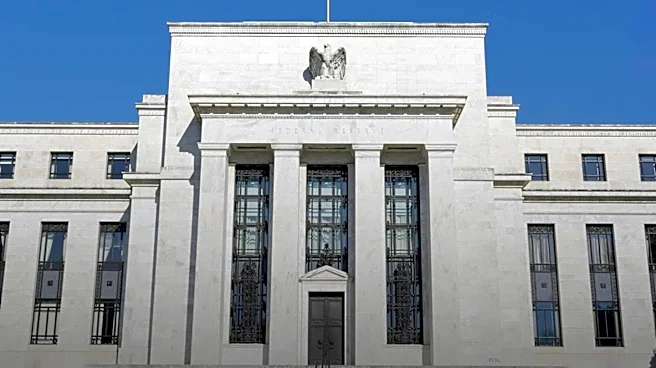
Fed Vice Chair Philip Jefferson recently addressed the implications of artificial intelligence (AI) investment on the U.S. economy, particularly concerning inflation. Jefferson's remarks highlight the Federal
Reserve's ongoing assessment of technological advancements and their potential impact on economic stability. The discussion centered on how increased AI adoption could influence productivity growth, labor markets, and ultimately, price levels. While specific details of his speech were not provided in the source, the focus indicates the Fed's keen interest in understanding the macroeconomic effects of emerging technologies. This comes at a time when inflation remains a key concern for policymakers, and any factor that could either exacerbate or alleviate inflationary pressures is under scrutiny. The Fed's approach involves monitoring these trends to inform future monetary policy decisions, aiming to maintain price stability and maximum employment.
Why It's Important?
The Federal Reserve's attention to AI investment and its link to inflation is crucial for several reasons. AI has the potential to significantly boost productivity, which could lead to lower production costs and, consequently, lower prices for consumers, thus mitigating inflationary pressures. Conversely, rapid AI adoption could also create new demand-side pressures or disrupt labor markets in ways that affect wage growth and overall economic stability. For businesses, understanding the Fed's perspective on AI's economic impact can influence investment strategies and long-term planning. Investors will also be watching closely, as the Fed's assessment could signal future interest rate decisions or other policy adjustments. The broader U.S. economy stands to gain from productivity enhancements, but policymakers must navigate potential disruptions to ensure a smooth transition and equitable distribution of benefits.
What's Next?
Following Fed Vice Chair Jefferson's comments, it is likely that the Federal Reserve will continue to monitor AI investment trends and their economic implications. Future speeches and reports from Fed officials may offer more detailed analyses of how AI is expected to influence productivity, employment, and inflation. Businesses and technology sectors will likely continue their investments in AI, potentially accelerating the technology's integration across various industries. The Fed's ongoing research and discussions will inform its monetary policy decisions, which could include adjustments to interest rates or other tools aimed at managing inflation and supporting economic growth. Stakeholders, including investors, businesses, and policymakers, will be looking for further guidance from the Fed on how it plans to incorporate these technological shifts into its economic outlook and policy framework.
Beyond the Headlines
The discussion around AI investment and inflation extends beyond immediate economic indicators, touching upon broader societal and ethical considerations. The widespread adoption of AI could lead to significant shifts in the labor market, potentially displacing certain jobs while creating new ones. This raises questions about workforce retraining, education, and social safety nets to ensure a just transition. Furthermore, the concentration of AI development and benefits among a few large corporations could exacerbate economic inequality, a concern that policymakers may need to address. The ethical implications of AI, such as algorithmic bias and data privacy, also warrant attention as the technology becomes more pervasive. The Fed's focus on AI's economic impact is a recognition that technological advancements are not merely technical but have profound and far-reaching consequences for society as a whole, requiring a holistic policy approach.