








What's Happening?
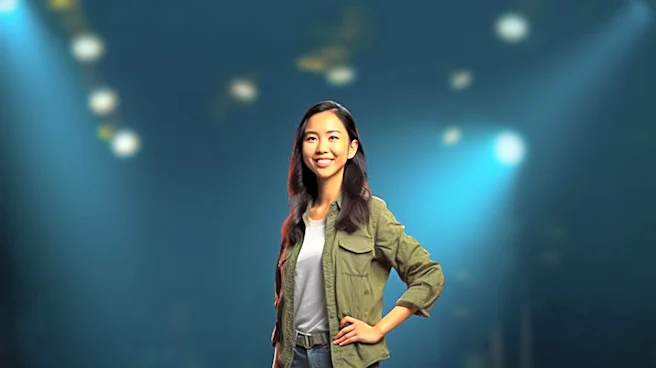
The introduction of Tilly Norwood, an AI-generated character set to star in the upcoming film 'Misaligned,' has ignited a debate in Hollywood about the nature of acting and the role of AI in the entertainment industry. Tilly, created by the AI entertainment startup
Particle6, challenges traditional notions of what it means to be an actor. The character's development involves a collaborative process that includes acting, AI prompting, and traditional filmmaking techniques. This has led to discussions about whether AI-generated characters can be considered actors and who deserves credit for their performances. The debate has divided filmmakers, actors, and audiences, with some embracing the innovation and others expressing concern over the potential impact on human actors' jobs.
Why It's Important?
The emergence of AI-generated characters like Tilly Norwood represents a significant shift in the entertainment industry, raising questions about the future of acting and the role of technology in creative processes. This development could potentially disrupt traditional acting roles, as AI characters may replace human actors in certain contexts. The debate touches on broader issues of authorship, credit, and compensation, as AI-generated performances are built on the work of human actors without their direct involvement. The controversy highlights the need for the industry to address ethical and legal considerations regarding AI's role in entertainment, as well as the potential for job displacement among actors.
What's Next?
As AI-generated characters become more prevalent, the entertainment industry will need to navigate the challenges and opportunities they present. This includes establishing guidelines for crediting and compensating those involved in creating AI performances. The industry may also see increased collaboration between AI developers and traditional filmmakers to explore new storytelling possibilities. Additionally, there may be further discussions and potential regulations regarding the ethical use of AI in entertainment, as stakeholders seek to balance innovation with the protection of human actors' rights and livelihoods.
Beyond the Headlines
The introduction of AI characters like Tilly Norwood could lead to a reevaluation of what constitutes a performance and who is considered an actor. This shift may influence cultural perceptions of artistry and creativity, as audiences grapple with the idea of connecting emotionally with non-human characters. The debate also raises questions about the authenticity of performances and whether AI can truly replicate the human experience. As AI technology continues to evolve, the entertainment industry will need to consider the long-term implications of integrating AI into creative processes and how it may reshape the landscape of film and media.