



What's Happening?
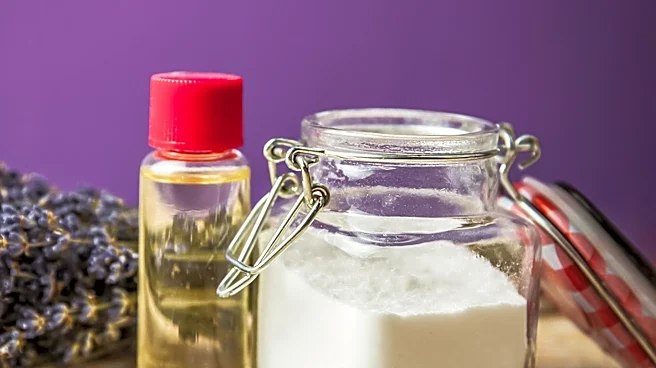
Formula Chemistry, founded by Dr. SamiUllah, a Ph.D. in Chemistry, has provided a do-it-yourself (DIY) recipe for making natural deodorant at home. This initiative is part of their broader effort to educate individuals on cosmetic formulation through
a science-first approach. The platform aims to explain the chemical principles behind cosmetic products, ingredient interactions, and how choices affect stability, performance, and safety. Unlike many DIY sites that offer recipes to follow blindly, Formula Chemistry focuses on teaching the underlying chemistry. The site emphasizes that while the free formulas are for educational and small-batch personal use, individuals are responsible for their own safety assessments, stability, and challenge testing if they intend to sell products based on these formulations. Dr. SamiUllah also offers one-to-one sessions for personalized formulation help and courses for those looking to learn cosmetic formulation in a structured manner.
Why It's Important?
This development is important for consumers interested in natural personal care products and for the growing DIY beauty community in the U.S. It empowers individuals to create their own natural deodorants, potentially reducing exposure to synthetic ingredients found in traditional antiperspirants. For the U.S. market, this trend aligns with increasing consumer demand for transparency in product ingredients and a preference for organic and biodegradable options. The availability of scientifically-backed DIY recipes can also foster a more informed consumer base, encouraging a deeper understanding of cosmetic chemistry. This approach could also impact smaller businesses and entrepreneurs looking to enter the natural personal care market by providing foundational knowledge and resources for product development, though commercial use requires additional testing and regulatory compliance.
What's Next?
Individuals interested in natural deodorants can utilize Formula Chemistry's DIY recipe to create their own products at home. The platform will likely continue to offer more educational content and recipes for various cosmetic formulations, further expanding the knowledge base for DIY enthusiasts. For those looking to commercialize their creations, the next steps would involve rigorous safety assessments, stability testing, and ensuring regulatory compliance, potentially with the guidance of experts like Dr. SamiUllah through his one-to-one sessions. The broader trend of natural and DIY personal care products is expected to continue growing, potentially leading to more accessible resources and a wider array of natural ingredient options in the market.
Beyond the Headlines
The provision of DIY natural deodorant recipes by a Ph.D. chemist highlights a broader shift towards consumer empowerment and education in the personal care industry. This movement challenges the traditional reliance on mass-produced products by offering alternatives that are often perceived as healthier or more environmentally friendly. Ethically, it raises questions about ingredient sourcing and the environmental impact of individual production versus large-scale manufacturing. Legally, it underscores the importance of understanding regulatory requirements for cosmetic products, especially for those considering commercial ventures. Culturally, it reflects a growing interest in self-sufficiency and a desire for greater control over the products used in daily life, fostering a community of informed and engaged consumers who prioritize natural and sustainable options.