





What's Happening?
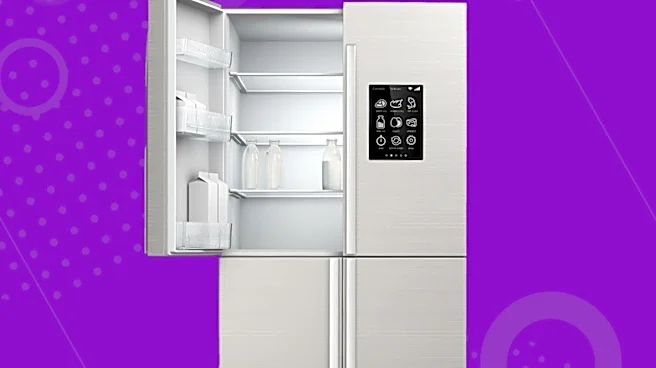
Many consumers are finding that smart home appliances, such as refrigerators and dishwashers, often come with "half-baked" smart features that rely heavily on cloud connectivity and proprietary apps. This reliance can render devices useless if internet
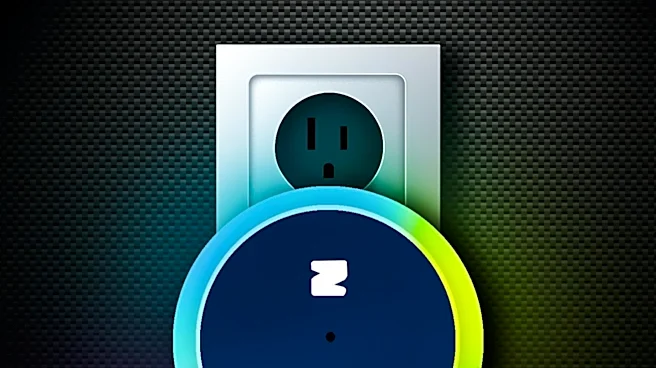
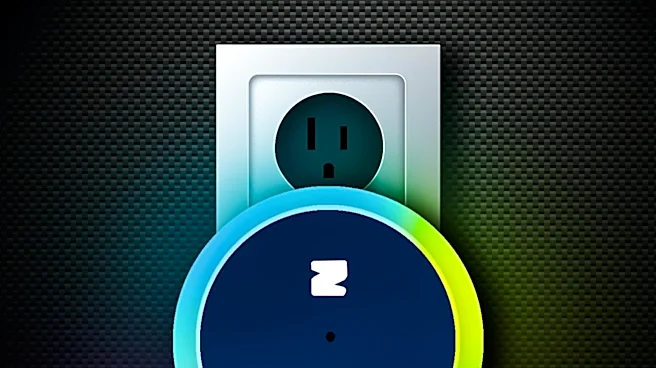
access is blocked and raises concerns about data privacy, as exemplified by Samsung's smart fridges incorporating opt-out advertising services. Instead of upgrading to new smart appliances, a growing number of users are opting to create their own smart home automations using platforms like Home Assistant. This approach allows them to add smart functionalities to existing "dumb" appliances through inexpensive energy-monitoring smart plugs. For instance, a smart plug can detect when a washing machine or dishwasher cycle is complete by monitoring power consumption, triggering a notification to the user. This method provides practical benefits, such as timely alerts for laundry, without the privacy and functionality drawbacks associated with many commercially available smart appliances.
Why It's Important?
This trend highlights a significant shift in consumer preference within the smart home market, moving away from integrated, cloud-dependent smart appliances towards more customizable, local, and privacy-focused solutions. For U.S. consumers, this means greater control over their home data and potentially more cost-effective ways to introduce smart features into their living spaces. The reliance on platforms like Home Assistant empowers individuals to bypass the limitations and potential privacy intrusions of proprietary smart appliance ecosystems. This could impact the sales strategies of appliance manufacturers, pushing them to develop more open, interoperable, and locally functional smart features, or risk losing market share to DIY automation solutions. Furthermore, the ability to monitor appliances for potential failures, such as a refrigerator losing power, offers practical benefits like preventing food spoilage, which can lead to significant savings and reduced waste for households.
What's Next?
The increasing adoption of platforms like Home Assistant suggests a future where smart home functionality is less about purchasing new, expensive smart appliances and more about integrating existing devices with open-source or third-party automation tools. Appliance manufacturers may need to re-evaluate their smart feature offerings, potentially focusing on local control, open APIs, and enhanced privacy measures to remain competitive. The market for energy-monitoring smart plugs and other automation hardware is likely to grow as more consumers seek to create their own smart home solutions. Additionally, the development of user-friendly blueprints and interfaces within platforms like Home Assistant will continue to lower the barrier to entry for individuals looking to customize their home automation, further accelerating this trend. The emphasis on local processing and reduced reliance on cloud services could also influence broader discussions around data privacy and security in the Internet of Things (IoT) sector.
Beyond the Headlines
The movement towards DIY smart home automation with platforms like Home Assistant reflects a deeper societal desire for autonomy and control over personal technology and data. In an era where digital privacy is a growing concern, the ability to create smart home systems that operate independently of corporate cloud servers offers a significant ethical and practical advantage. This approach challenges the prevailing model of proprietary ecosystems, fostering a more open and user-centric technological landscape. It also underscores the importance of digital literacy and technical empowerment, as individuals learn to configure and manage their own home networks and devices. The long-term implications could include a more resilient and secure smart home infrastructure, less susceptible to corporate policy changes, data breaches, or planned obsolescence. This shift could also inspire innovation in open-source hardware and software development, promoting a collaborative approach to smart home technology that prioritizes user needs and privacy.