





What's Happening?
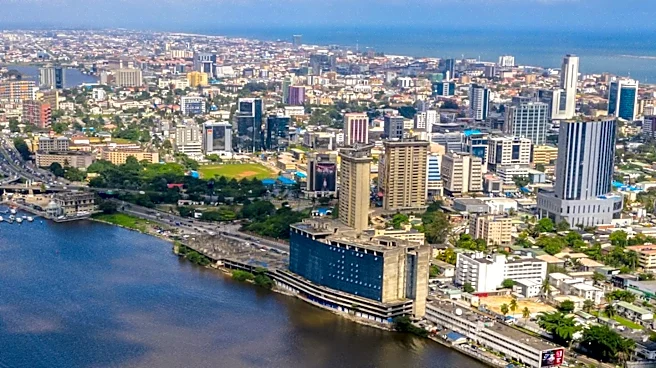
The All Progressives Congress (APC) Professionals Forum in Nigeria has proposed an integrated five-port maritime and logistics corridor. This initiative aims to connect major deep-sea ports in Lagos, Ondo, Ibom, Port Harcourt, and Calabar through modern
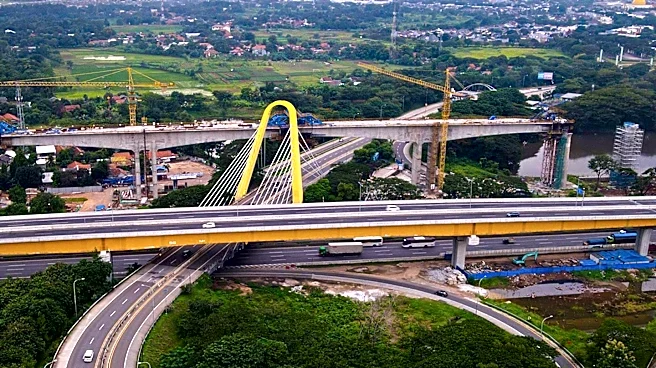
road and rail networks. The proposed network would link Nigeria’s maritime gateways with major cities, production centers, and landlocked markets across the region, including Niger, Chad, Burkina Faso, Sudan, and the Central African Republic. Professor Nentawe Yilwatda, the APC National Chairman, stated that this project is designed to transform Nigeria into the maritime gateway and logistics hub of West and Central Africa. The infrastructure is expected to stimulate various sectors such as logistics, warehousing, manufacturing, agro-processing, banking, insurance, and distribution, while also creating jobs and generating foreign exchange. This proposal aligns with President Bola Tinubu’s ambition to build a $1 trillion economy by 2030, with a focus on developing industrial parks, export-processing zones, logistics parks, agro-processing clusters, and manufacturing centers along these transport corridors.
Why It's Important?
This proposed five-port corridor is strategically important for Nigeria's economic development and regional influence. By establishing itself as a maritime and logistics hub, Nigeria can significantly boost its trade volume and attract foreign investment, contributing to its goal of a $1 trillion economy. The project's emphasis on connecting landlocked neighboring countries positions Nigeria as a critical transit point, fostering regional economic integration and potentially reducing trade barriers. The development of associated industrial parks and manufacturing centers could lead to substantial job creation and diversification of the economy away from oil dependency. Furthermore, enhanced infrastructure and logistics capabilities could improve the efficiency of supply chains across West and Central Africa, benefiting businesses and consumers throughout the region. This initiative could also strengthen Nigeria's geopolitical standing by making it an indispensable economic partner for several African nations.
What's Next?
The next steps for this proposal would likely involve detailed feasibility studies, securing funding, and developing a comprehensive implementation plan. Given the scale of the project, it would require significant investment, potentially from both public and private sectors, as well as international partners. The Nigerian government would need to engage in diplomatic efforts with neighboring countries to ensure seamless cross-border operations and maximize the corridor's regional impact. Additionally, there will be a focus on ensuring that the economic reforms, such as the removal of fuel subsidies and foreign exchange reforms, continue to strengthen Nigeria's macroeconomic foundations to support such large-scale infrastructure projects. The success of this initiative will also depend on addressing existing security challenges, including border controls against illegal immigration, to ensure the safety and stability of the trade routes and associated economic zones.
Beyond the Headlines
Beyond the immediate economic benefits, this project carries deeper implications for regional stability and development. By integrating the economies of several West and Central African nations, the corridor could foster greater cooperation and reduce incentives for conflict. The focus on job creation and economic diversification could address underlying issues that contribute to social unrest and illegal migration. However, the project also presents challenges, such as potential environmental impacts from large-scale infrastructure development and the need for robust governance to prevent corruption and ensure equitable distribution of benefits. The success of this ambitious plan will serve as a test case for large-scale regional integration projects in Africa, potentially influencing future development strategies across the continent. It also highlights the ongoing effort to balance economic growth with national security concerns, particularly regarding border management and regional stability.