







What's Happening?
Officials at the Russian oil giant Rosneft are concerned that even a few more months of the war in Ukraine could inflict lasting damage on the company's business, according to a Bloomberg report citing sources. Rosneft's financial situation is reportedly
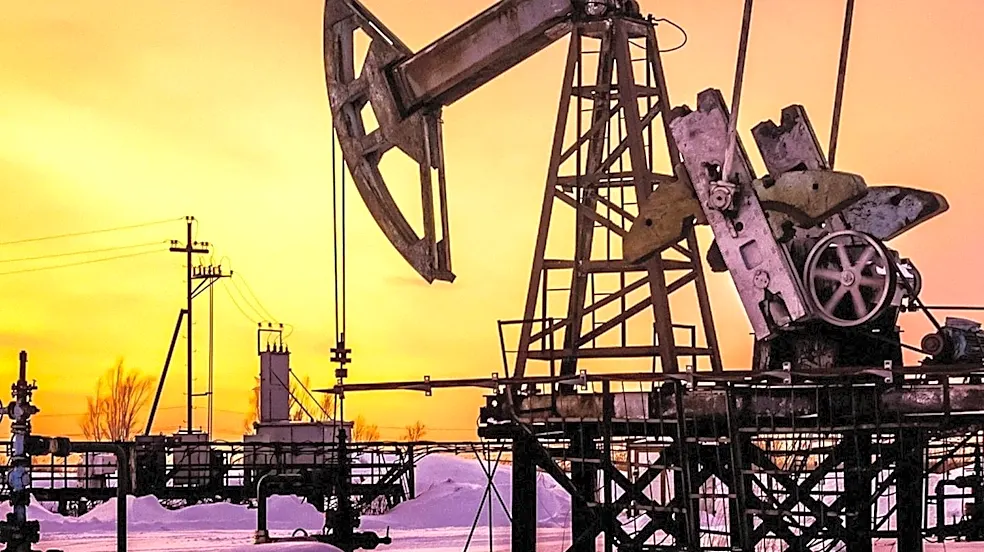
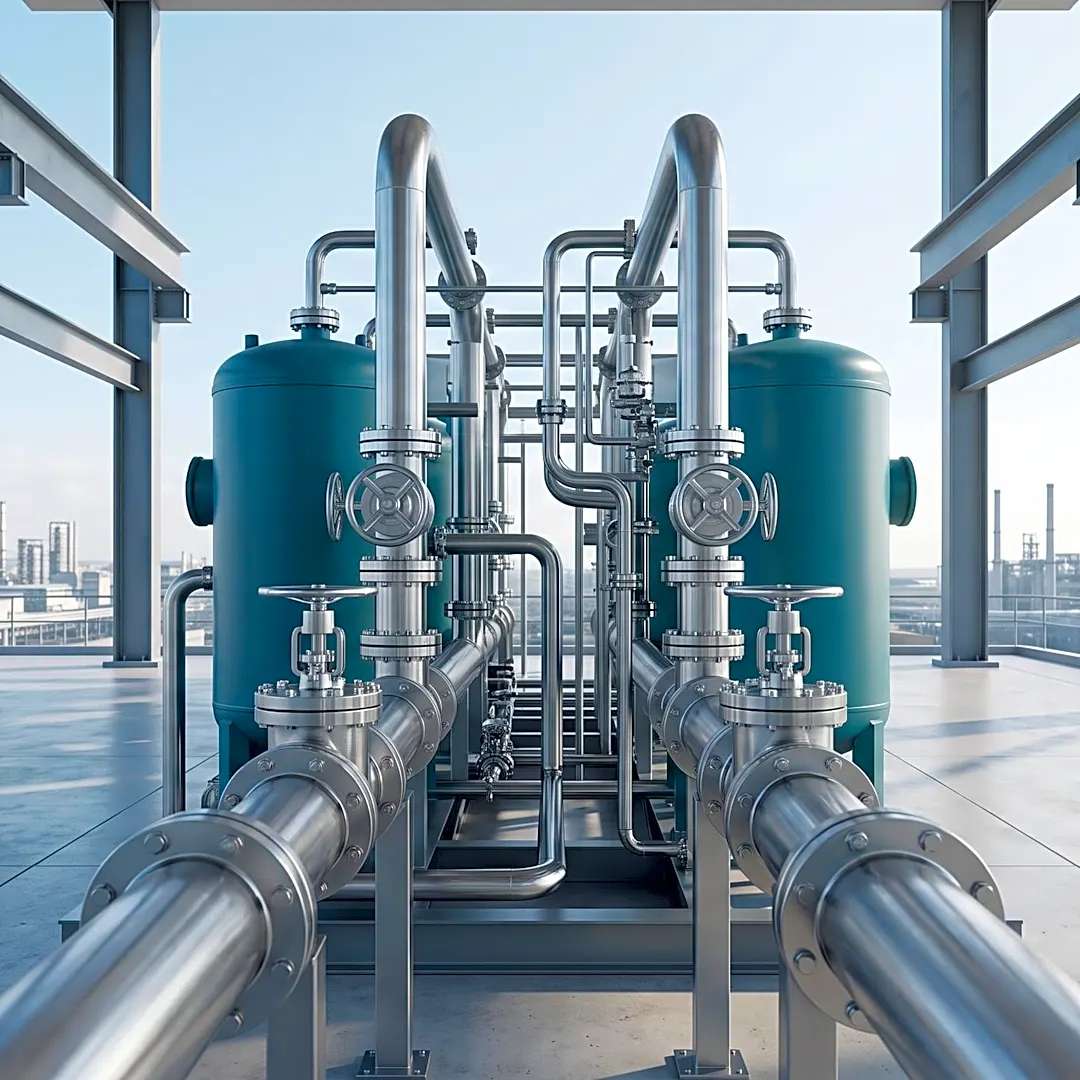
deteriorating, with falling profits and rising debt, despite earlier expectations that the conflict in the Middle East might boost its earnings. The company has sustained significant damage from Ukrainian strikes on its oil refineries. Rosneft operates 12 refineries, accounting for approximately one-third of Russia's total refining capacity. Bloomberg's analysis indicates that five of the 15 confirmed drone strikes on Russian refineries in September alone targeted Rosneft facilities that supply fuel to European Russia. Notably, the Ryazan refinery has been repeatedly attacked, while the Syzran refinery has operated at less than one-third capacity or been completely shut down for most of the past six months. The Tuapse refinery has been closed since April. Rosneft has managed to restart some refineries within weeks of attacks, only for them to be struck again shortly after repairs. This continuous need for repairs is driving costs to unsustainable levels, leading some plants to deliberately slow down repair work, extending tasks that would typically take days into weeks.
Why It's Important?
The reported concerns within Rosneft highlight the significant economic impact of the ongoing conflict in Ukraine on Russia's critical energy sector. As one of Russia's largest oil companies, Rosneft's financial health is closely tied to the national economy. The sustained damage to its refineries not only reduces Russia's refining capacity but also increases operational costs, potentially affecting fuel supplies and export revenues. This situation could exacerbate existing economic pressures on Russia, which is already facing international sanctions. The strategic targeting of energy infrastructure by Ukrainian forces demonstrates an effective tactic to disrupt Russia's war economy. The inability to maintain consistent operations at key refineries could lead to higher domestic fuel prices, reduced industrial output, and a strain on government finances, ultimately impacting Russia's ability to fund its military operations and maintain economic stability. The long-term damage to Rosneft's infrastructure and financial standing could have ripple effects across the global energy market, particularly if it affects Russia's capacity to supply oil and refined products.
What's Next?
Rosneft will likely continue to face challenges in protecting its refining infrastructure from further Ukrainian attacks. The company may need to invest heavily in enhanced air defense systems for its facilities or explore alternative strategies to mitigate the impact of drone strikes. The ongoing financial strain could lead to difficult decisions regarding investment, production, and debt management. The Russian government might intervene with financial support or policy changes to stabilize Rosneft and the broader energy sector. The situation could also prompt a re-evaluation of Russia's energy export strategies and its reliance on specific refining locations. If the conflict persists, the long-term viability of some of Rosneft's damaged refineries could be questioned, potentially leading to permanent closures or significant restructuring. The international energy market will closely monitor these developments for potential impacts on global oil and gas supplies.
Beyond the Headlines
The challenges faced by Rosneft extend beyond immediate financial and operational concerns, touching upon the broader geopolitical and strategic implications of modern warfare. The targeting of critical energy infrastructure by drones represents a shift in military tactics, demonstrating how non-conventional warfare can inflict significant economic damage on an adversary. This situation also raises questions about the resilience of large-scale industrial complexes in conflict zones and the effectiveness of traditional defense mechanisms against evolving threats. Furthermore, the reported slowdown in repair work at some refineries due to unsustainable costs suggests a deeper systemic issue within Russia's industrial capacity and resource allocation under wartime conditions. This could indicate a growing strain on Russia's economy and its ability to sustain prolonged conflict, potentially influencing future diplomatic and military strategies.