





What's Happening?
Adobe Premiere mobile is expanding its music library by integrating licensed tracks from Universal Music Group (UMG) and Warner Music Group (WMG). This new feature allows creators to directly access and use popular music clips, up to 60 seconds in length,
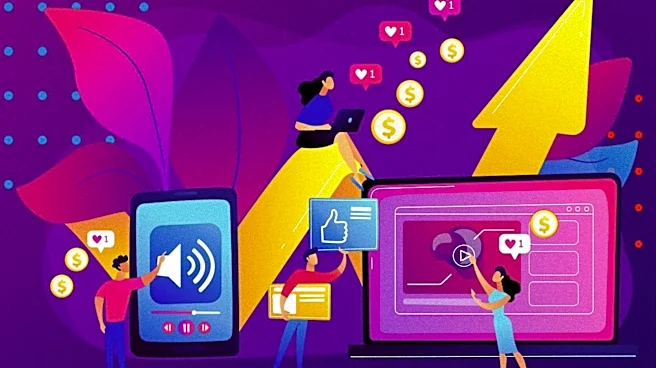
within the free mobile video editing application. Users will be able to browse music by artist or song title, filter by genre or duration, explore curated collections, and utilize music-powered templates. The integration aims to streamline the video creation process, enabling users to build edits around specific sounds and share finished videos directly to social platforms like TikTok, Instagram Reels, and YouTube Shorts. However, the licensed music is strictly for personal, non-commercial use; commercial projects still require music from sources like Adobe Stock Audio.
Why It's Important?
This development signifies a growing convergence between music and video creation, reflecting how short-form video platforms have become crucial for music discovery and engagement. By embedding licensed music directly into a widely used video editing tool, Adobe is simplifying the workflow for creators, potentially increasing the use of popular music in user-generated content. This move benefits UMG and WMG by expanding the reach and visibility of their artists' music within a creative ecosystem. For creators, it offers easier access to a broader range of popular tracks, enhancing the quality and appeal of their videos. This integration also highlights the industry's response to the demand for legally licensed music in social media content, addressing issues of copyright infringement that have previously challenged labels and creators.
What's Next?
The integration of major label music into Adobe Premiere mobile is likely to influence other video editing platforms to pursue similar licensing deals, further embedding music into the creative process. This trend could lead to more comprehensive music libraries being available directly within editing tools, making it easier for creators to legally soundtrack their content. We may see increased collaboration between music labels and technology companies to develop innovative features that enhance music discovery and usage in video. This could also prompt a re-evaluation of licensing models for personal versus commercial use, as the lines between amateur and professional content creation continue to blur on social media platforms.
Beyond the Headlines
This move by Adobe, UMG, and WMG underscores a significant shift in how music is consumed and monetized in the digital age. It acknowledges the power of user-generated content as a promotional tool for artists and a revenue stream for labels. The emphasis on personal, non-commercial use highlights the ongoing challenge of managing copyright in a rapidly evolving digital landscape, where content can quickly go viral and cross into commercial territory. This development also empowers a new generation of creators by providing them with professional-grade tools and licensed content, potentially fostering more creative and legally compliant content across social media. It reflects a broader industry effort to adapt to the creator economy, where individuals play a crucial role in shaping cultural trends and music popularity.