

What's Happening?
Home organization experts, including Becky Rapinchuk of Clean Mama, Katrina Teeple of Operation Organization, and Cian Ballentine of Cannonball Cleaners, are providing insights into surprising reasons homes feel cluttered and offering practical solutions.
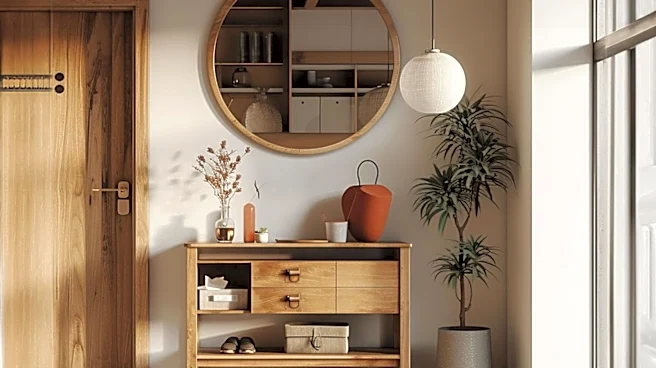
They identify common culprits such as maximalist decor styles, cluttered entryways, overflowing refrigerators, and excessive items on surfaces. The experts suggest that even after initial decluttering, homes can still feel overwhelming due to these less obvious factors. Their fixes include adopting the Marie Kondo method to keep only items that 'spark joy,' regularly tidying entryways, moving non-essential items from fridge exteriors, and clearing surfaces to create a sense of calm. Additionally, they highlight the importance of adequate storage solutions and addressing 'doom piles'—collections of items awaiting attention—as temporary fixes that require eventual resolution.
Why It's Important?
The insights from these home organization experts are important because they address a pervasive issue in American households: chronic clutter and its impact on well-being. By identifying less obvious causes of clutter, they provide a more comprehensive approach to home management beyond simple tidying. The emphasis on intentionality, such as keeping only items that 'spark joy' or ensuring decor serves a purpose, encourages a shift from passive accumulation to mindful consumption. This can lead to reduced stress, improved mental clarity, and a more functional living environment for individuals and families. Economically, better organization can prevent duplicate purchases and extend the life of existing items. Socially, a well-organized home can enhance hospitality and reduce anxiety associated with entertaining guests. The advice also underscores the growing recognition of the link between physical environment and psychological health, promoting a holistic view of home care.
What's Next?
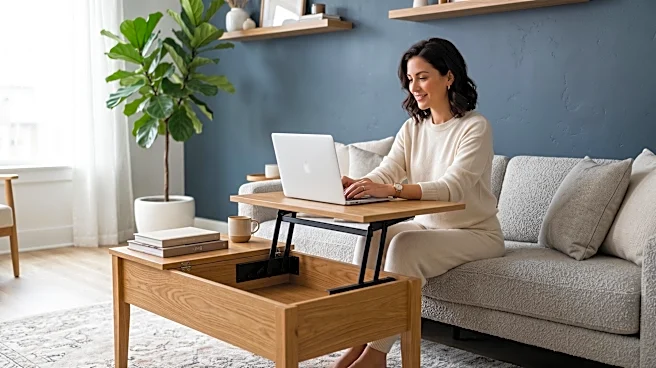
As awareness of these expert tips grows, it is likely that more individuals will adopt a proactive approach to home organization, moving beyond superficial tidying to address underlying causes of clutter. This could lead to increased demand for professional organizing services, as well as for products designed to maximize storage and minimize visual noise. Retailers may respond by offering more modular, multi-functional furniture and storage solutions that cater to the need for efficient space utilization. The focus on intentional living and decluttering could also influence interior design trends, favoring minimalist aesthetics and purposeful decor over excessive ornamentation. Furthermore, the emphasis on regular 'tidy times' and addressing 'doom piles' suggests a shift towards viewing home organization as an ongoing process rather than a one-time event, potentially fostering more sustainable habits in household management across the U.S.
Beyond the Headlines
The expert advice on decluttering touches upon deeper cultural and psychological aspects of modern American life. The concept of 'maximalism' being a source of clutter, for instance, reflects a tension between personal expression and the desire for tranquility in one's living space. The 'doom pile' phenomenon speaks to the challenges of managing daily responsibilities and the emotional burden of unfinished tasks, highlighting how physical clutter can mirror mental clutter. By advocating for intentionality and the removal of items that don't 'spark joy,' these experts are promoting a form of self-care through environmental control. This approach can empower individuals to reclaim their spaces and, by extension, a sense of control over their lives. The widespread appeal of such advice suggests a collective yearning for simplicity and order in an increasingly complex and demanding world, where the home often serves as a sanctuary from external pressures.