
What's Happening?
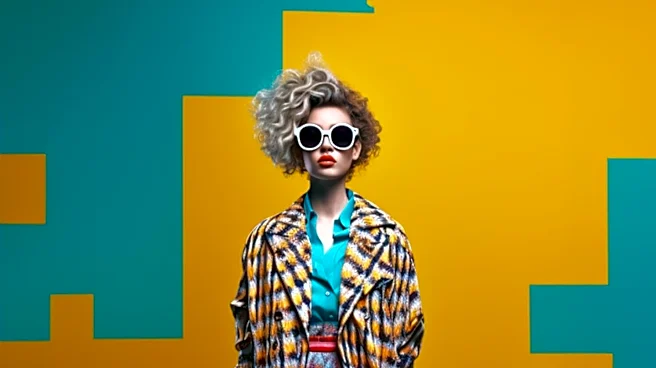
Millennial style is currently characterized by a fusion of nostalgic elements from the late 1990s and early 2000s with contemporary fashion trends. This revival, often seen through social media platforms like TikTok, reinterprets Y2K fashion with a modern
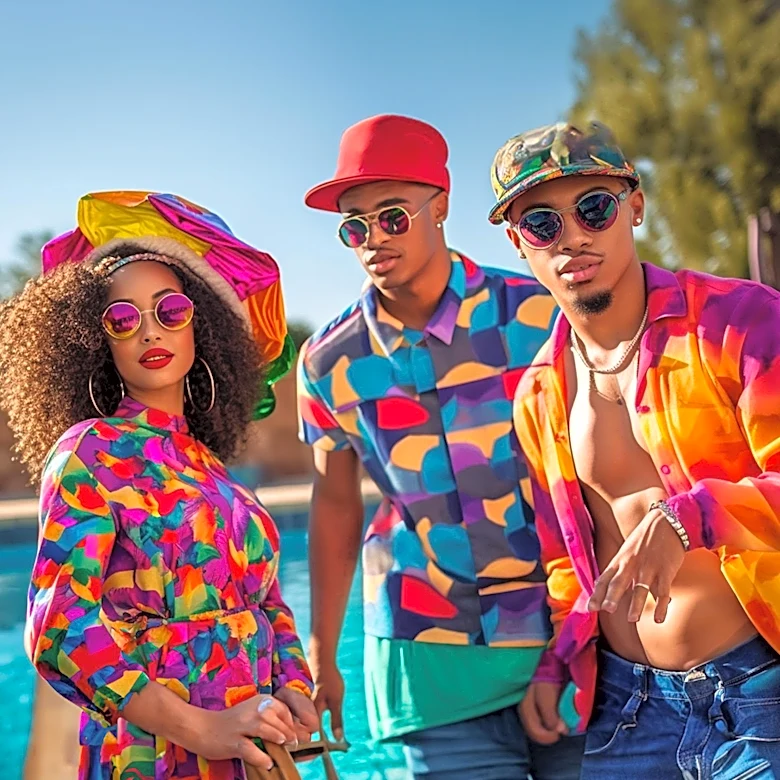
eye for proportion and styling. Key pieces defining this aesthetic include baby tees, which are fitted, cropped, and often feature graphics or logos, and low-rise jeans, available in various cuts such as loose, flared, or cargo-inspired. Beyond these staples, the style incorporates metallic fabrics, glossy logos, and playful prints, reflecting the original Y2K era's optimism and fascination with new technology and celebrity culture. Accessories like tiny shoulder bags, chunky belts, colored sunglasses, rhinestones, butterfly clips, and platform trainers also contribute to the look. The modern approach emphasizes selecting a few throwback signals and grounding them with current pieces to avoid a costume-like appearance, focusing on personality over minimalism.
Why It's Important?
This resurgence of Y2K fashion among millennials and Gen Z highlights a significant cultural and economic trend driven by nostalgia and a desire for individuality. For the fashion industry, it means a renewed demand for specific garment types and accessories, influencing design and production cycles. Retailers are adapting by offering updated versions of these classic styles, catering to consumers who seek both comfort and a distinctive aesthetic. The trend also reflects a broader societal shift away from minimalist fashion towards more expressive and playful styles, allowing individuals to convey personality through their clothing. Economically, this translates into sales opportunities for brands that can effectively capture the 'familiar but not too familiar' aspect of this trend, appealing to a demographic with increasing purchasing power who are revisiting beloved styles from their youth with a fresh perspective.
What's Next?
The continued evolution of millennial and Y2K-inspired fashion will likely see further integration of these nostalgic elements into mainstream trends, potentially influencing upcoming seasonal collections. Designers and brands will continue to experiment with how to blend retro aesthetics with modern functionality and sustainability concerns. Social media will remain a primary driver for the dissemination and adaptation of these styles, with influencers and users constantly reinterpreting and popularizing new combinations. We may also see a diversification of Y2K sub-trends, with different facets of the era gaining prominence. The focus will likely remain on creating looks that are iconic and personal rather than direct replicas, ensuring the longevity of this trend by allowing for individual expression and adaptation to various body types and preferences.
Beyond the Headlines
The embrace of Y2K fashion goes beyond mere clothing choices; it represents a deeper cultural phenomenon of 'autobiographical nostalgia' for millennials, who are revisiting the styles of their formative years. This trend offers a sense of comfort and familiarity in a rapidly changing world, allowing individuals to reconnect with their past identities. For Gen Z, it's often a form of 'borrowed nostalgia,' experiencing an era they didn't live through but find appealing. This cross-generational appeal underscores the cyclical nature of fashion and the enduring power of cultural touchstones. The emphasis on personality and rebellion against minimalism also suggests a broader societal desire for authenticity and self-expression, moving away from uniform aesthetics. This trend also subtly critiques fast fashion by encouraging a more selective approach to incorporating vintage-inspired pieces that can be integrated into a wardrobe for years, rather than being disposable.