



What's Happening?
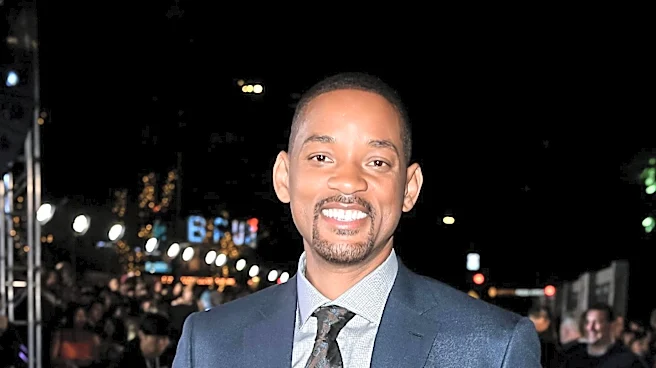
Spanish filmmaker Pedro Almodóvar has commented on the 2022 Academy Awards incident where Will Smith slapped Chris Rock. Almodóvar, who was present at the ceremony as his film 'Parallel Mothers' was nominated for two Oscars, observed the event firsthand.
He noted that the American press initially supported Will Smith but later shifted their stance. Almodóvar recalled his experience with Smith during the 2017 Cannes Film Festival jury, where Smith advocated for Netflix, a platform Almodóvar views critically for its impact on traditional cinema. The director described Smith's comments during the Cannes jury discussions as 'very silly things' and suggested Smith had 'very bad taste as a person.' Almodóvar's remarks highlight a perceived change in public and media opinion regarding Smith following the incident.
Why It's Important?
This commentary from a prominent international filmmaker like Pedro Almodóvar offers a unique perspective on a significant cultural event in the U.S., the Will Smith-Chris Rock incident. His observations on the American press's initial support for Smith and subsequent change of heart underscore the dynamic nature of public perception and media narratives in the U.S. entertainment industry. Almodóvar's critical view of Smith, stemming from their prior interactions at Cannes regarding Netflix, also sheds light on the ongoing debate within the film industry about the role of streaming services versus traditional theatrical releases. This perspective from an acclaimed director can influence how the incident is remembered and discussed, particularly within artistic and international film circles, potentially affecting future collaborations or perceptions of the involved parties.
What's Next?
While Almodóvar's comments are retrospective, they contribute to the ongoing discourse surrounding the 2022 Academy Awards incident and Will Smith's public image. Such high-profile reflections from influential figures can reignite discussions about accountability, media ethics, and the pressures faced by celebrities. For Will Smith, continued commentary from industry peers, whether positive or negative, will likely shape his career trajectory and public reception in the coming years. For the Academy Awards and the broader entertainment industry, these discussions may prompt further introspection on how such incidents are handled and the narratives that emerge. The long-term impact on Smith's career and the industry's approach to similar situations will continue to unfold as time progresses.
Beyond the Headlines
Almodóvar's remarks extend beyond a simple recounting of the slap, touching upon deeper implications within the entertainment world. His critique of Will Smith's advocacy for Netflix at Cannes, juxtaposed with the later incident, highlights a tension between traditional cinematic values and the rise of streaming platforms. This reflects a broader cultural shift in how films are produced, distributed, and consumed, and the differing philosophies among filmmakers regarding this evolution. Furthermore, Almodóvar's observation about the American press's fluctuating stance on Smith points to the complex interplay between celebrity culture, media narratives, and public opinion, where initial reactions can be swayed by various factors before a more settled consensus emerges. This incident, as viewed through Almodóvar's lens, becomes a microcosm of larger debates about artistic integrity, media influence, and the evolving landscape of global entertainment.