


What's Happening?
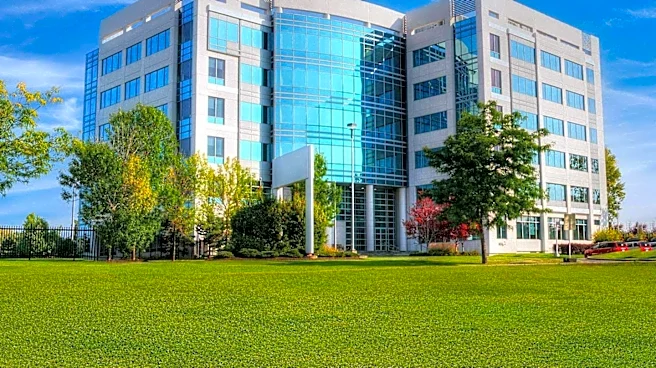
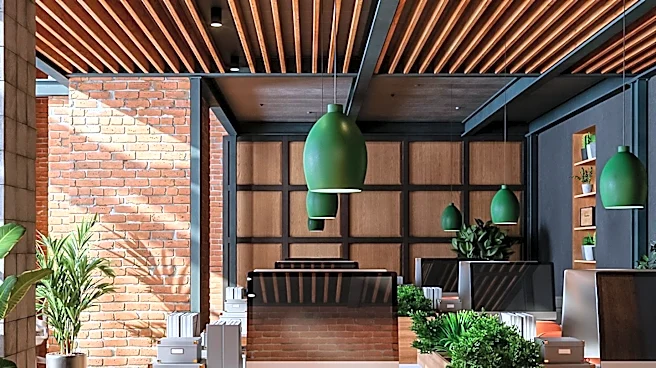
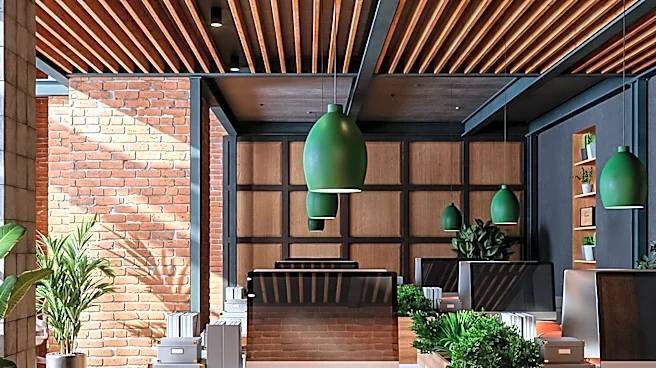
Regus is providing private office spaces for rent in Franklin Square, designed to be fully equipped and move-in ready. These spaces are located in prime business areas and are available for daily rental. The offering caters to individuals and businesses
seeking flexible work arrangements without the commitment of long-term leases. This initiative by Regus aims to address the evolving needs of the modern workforce, which increasingly values adaptability and convenience in their workspace solutions. The availability of such offices allows for immediate occupancy and provides a professional environment for various business activities, from individual work to team meetings.
Why It's Important?
The availability of flexible office spaces like those offered by Regus in Franklin Square is important for the U.S. business landscape as it reflects a broader shift in work culture. This trend benefits small businesses, startups, and remote workers by reducing overhead costs associated with traditional office leases and providing access to professional facilities. It also allows companies to scale their operations more efficiently, adapting to changing team sizes or project demands without significant financial commitments. The increased flexibility can foster innovation and entrepreneurship by lowering barriers to entry for new ventures. Conversely, traditional commercial real estate landlords might face increased competition and pressure to adapt their offerings to meet these new demands, potentially impacting property values and rental income in some markets.
What's Next?
The continued expansion of flexible workspace providers like Regus suggests a sustained demand for adaptable office solutions. Businesses are likely to further integrate these models into their long-term strategies, potentially leading to a hybrid work environment becoming the norm for many organizations. This could prompt more commercial property developers to incorporate flexible office designs and amenities into new constructions or renovations. We might also see an increase in partnerships between flexible workspace providers and larger corporations looking to offer their employees more diverse work location options. The success of these models could also influence urban planning, with a greater emphasis on mixed-use developments that integrate residential, commercial, and flexible workspace options.
Beyond the Headlines
The rise of flexible workspaces has deeper implications for urban development and the future of work. It challenges the traditional notion of a centralized corporate headquarters, potentially decentralizing business hubs and fostering economic growth in various neighborhoods. This shift could lead to reduced commuting times and a better work-life balance for employees, impacting local economies as people spend more time and money in their immediate communities. Furthermore, the emphasis on ready-to-use, fully equipped offices highlights a growing preference for convenience and efficiency, pushing businesses to re-evaluate their operational models. The environmental impact could also be significant, with potentially fewer large, energy-intensive office buildings and a more distributed, resource-efficient approach to workspace utilization.