







What's Happening?
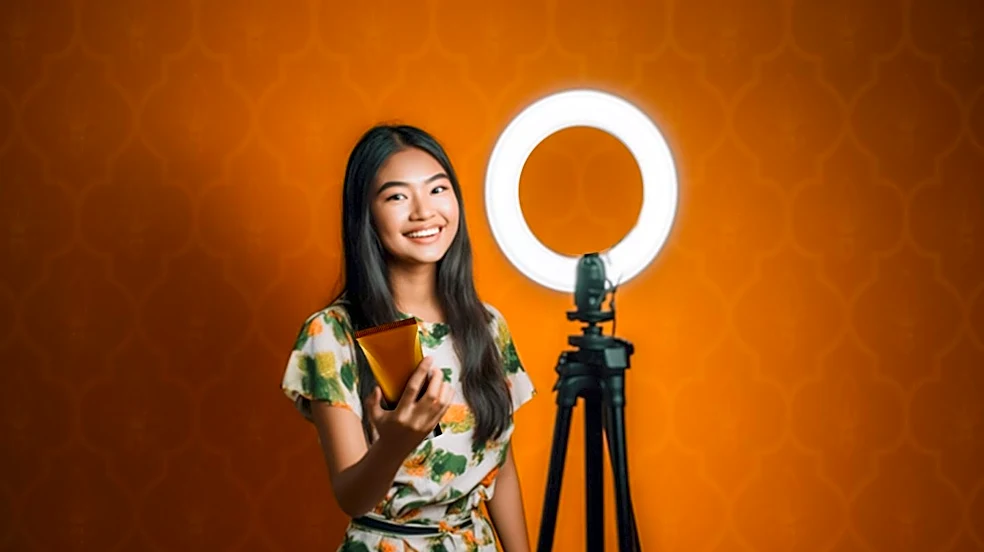
A Morning Consult survey, conducted for Business Insider, reveals that Baby Boomers (born between 1946 and 1964) exhibit significant distrust towards social media influencers. Only 31% of Boomers trust influencer recommendations, a stark contrast to 62%
of Gen Z and 64% of millennials. Furthermore, 40% of Boomers report decreased trust in influencers over the past few years, and 26% find influencer content annoying, the highest proportion among all generations. This generational divide presents a challenge for brands, as Boomers represent a substantial consumer force, accounting for 42% of spending among affluent U.S. households. Despite this, brands often overlook older generations in their influencer marketing strategies, favoring younger creators. Some successful Boomer creators, however, have found success by focusing on shared interests and passions, such as weightlifting or cooking, rather than solely on demographic similarities.
Why It's Important?
This trend highlights a significant disconnect in the influencer marketing industry, which is projected to see U.S. marketers spend $40 billion on creator economy partnerships this year. By largely ignoring the Boomer demographic, brands are missing out on a lucrative market segment with considerable purchasing power. The survey suggests that traditional influencer marketing tactics, which often rely on youth appeal, are ineffective with older consumers. This necessitates a strategic shift for brands to engage Boomers more effectively, potentially by partnering with creators who share authentic interests and can build credibility over time. The current approach risks alienating a demographic that, while skeptical, is not immune to influencer marketing if approached with relevant and consistent content.
What's Next?
Brands and marketing agencies will need to re-evaluate their influencer strategies to better engage the Baby Boomer demographic. This could involve shifting focus from age-centric influencer selection to interest-based partnerships, where creators share genuine passions like home improvement, arts, or specific hobbies. Marketers may also need to adopt a more patient approach, as the survey indicates Boomers often follow creators for extended periods before making a purchase based on recommendations. This implies a need for long-term content strategies that build credibility and trust rather than aiming for immediate conversions. The success of Boomer creators like Marlene 'Granny Guns' Flowers and Barbara Costello ('Brunch with Babs') demonstrates the potential for brands that align with these evolving strategies.
Beyond the Headlines
The findings underscore a broader societal trend where older generations are often underserved or misunderstood in digital marketing landscapes. This oversight extends beyond influencer marketing, reflecting a general bias towards younger demographics in many consumer-facing industries. The reluctance of brands to invest in older influencers, despite evidence of higher conversion rates in some cases, points to ingrained perceptions within the advertising industry. Addressing this could lead to more inclusive marketing practices that recognize the diverse consumer base and the value of experience and authenticity. It also highlights the potential for a more nuanced understanding of generational differences in media consumption and trust, moving beyond simplistic demographic targeting.