



What's Happening?
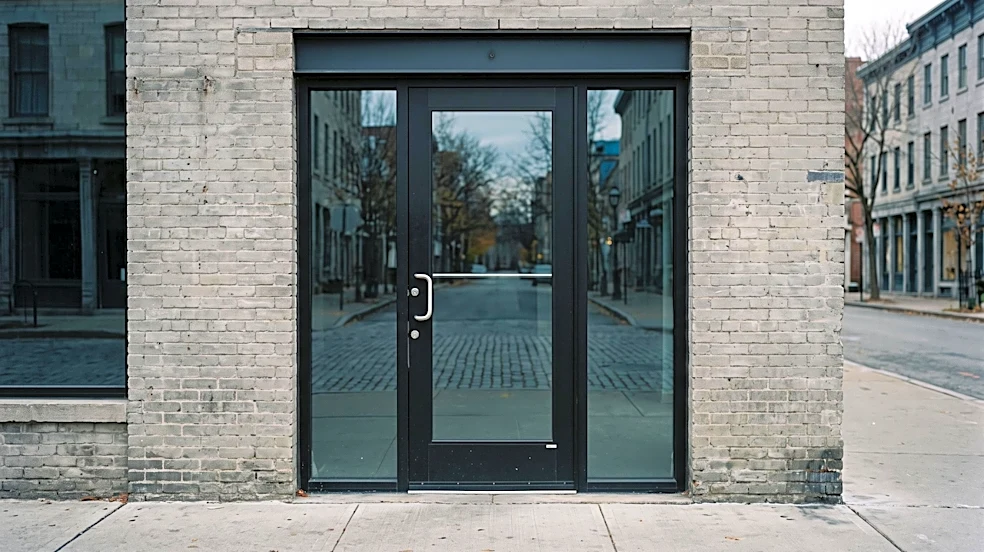
Marsha's, a women's sports bar located in Philadelphia, has announced its permanent closure after operating for one year. The establishment, founded by Chivonn Anderson, aimed to provide a dedicated space to honor women in sports, a concept born from
Anderson's frustration at a traditional sports bar's unwillingness to show the Women's World Cup. The bar's short tenure was marked by several difficulties, including a police raid in February following tips about operating without a license, staying open past legal hours, and serving alcohol to minors. Additionally, in April, allegations of transphobia, misogyny, and retaliation were made against the bar's leadership by a former employee, Olivia Rhodes, as reported by Philadelphia Gay News. Anderson addressed these claims in an Instagram video, referring to them as 'false statements.' Despite these challenges, the bar's closing statement expressed hope that another business would emerge to fill the void for women/queer/BIPOC-owned establishments in the city.
Why It's Important?
The closure of Marsha's highlights the significant challenges faced by niche businesses, particularly those aiming to serve underrepresented communities, even when addressing a clear market need. The bar's initial mission to create a dedicated space for women's sports underscored a broader issue within the sports entertainment industry, where women's athletic achievements often receive less visibility and dedicated platforms compared to men's sports. Its struggles, including a police raid and internal allegations, reflect the complex operational and social pressures that can impact new ventures. The call for more women/queer/BIPOC-owned businesses in Philadelphia, as expressed by founder Chivonn Anderson, points to an ongoing demand for diverse ownership and inclusive spaces within the U.S. business landscape. The incident also touches upon the high expectations and scrutiny placed on businesses within specific communities, as noted in a broader national debate following a similar situation with a lesbian bar in Boston.
What's Next?
The immediate consequence of Marsha's closure is the loss of a dedicated venue for women's sports in Philadelphia, leaving a void that its founder hopes another business will eventually fill. The bar's final weekend of operation will serve as a farewell to its patrons. The broader conversation surrounding the challenges faced by women/queer/BIPOC-owned businesses is likely to continue, potentially prompting further discussions within the Philadelphia business community and among advocates for inclusive spaces. The allegations of transphobia, misogyny, and retaliation, though addressed by the founder as 'false statements,' could still influence public perception and future endeavors by the individuals involved. The incident may also encourage other entrepreneurs to consider the unique hurdles and community expectations when establishing businesses catering to specific demographics.
Beyond the Headlines
The closure of Marsha's extends beyond a simple business failure, touching upon deeper societal and cultural implications. The initial inspiration for the bar—the difficulty in finding a venue to broadcast women's sports—underscores the persistent disparity in media coverage and public recognition for women's athletics. This lack of dedicated spaces reflects a broader systemic issue where women's sports are often marginalized, despite growing fan bases and athletic achievements. Furthermore, the allegations of internal issues, regardless of their veracity, highlight the complex dynamics and heightened scrutiny often faced by businesses that position themselves as inclusive or community-focused. The incident also contributes to a national dialogue about the sustainability of niche businesses, particularly those owned by marginalized groups, and the challenges of navigating both external pressures and internal community expectations. The hope expressed by the founder for future women/queer/BIPOC-owned businesses suggests an ongoing commitment within these communities to create and support their own spaces, despite setbacks.