









What's Happening?
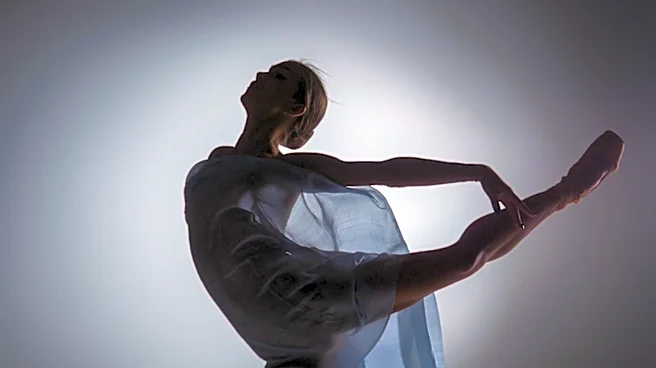
The New York City Ballet (NYCB) made a significant return to Los Angeles after a 20-year absence, performing at the Dorothy Chandler Pavilion from June 24 to 28. The engagement featured two distinct programs that showcased both contemporary works and classic
pieces, aiming to satisfy long-time ballet enthusiasts and introduce new audiences to the company's rich history. Founded in 1948 by George Balanchine and Lincoln Kirstein, NYCB has been a pivotal force in American ballet, known for its innovative choreography and musicality. The performances included works by renowned choreographers such as Balanchine, Jerome Robbins, and Ulysses Dove, as well as contemporary pieces by Justin Peck and Christopher Wheeldon. The return was marked by a mix of anticipation and skepticism, as audiences wondered if the company could still live up to its storied reputation.
Why It's Important?
The return of the New York City Ballet to Los Angeles is significant for several reasons. It reaffirms the company's enduring influence on American ballet and its ability to evolve while maintaining its foundational legacy. The performances serve as a testament to the lasting impact of Balanchine's vision, which transformed ballet into a more dynamic and distinctly American art form. This event also highlights the importance of cultural exchanges between major cities, enriching the local arts scene and providing opportunities for new audiences to experience high-caliber performances. For the NYCB, this return is an opportunity to showcase its current artistic direction under the leadership of Artistic Director Jonathan Stafford and Associate Artistic Director Wendy Whelan, ensuring the company's relevance in the contemporary dance landscape.
What's Next?
Following the successful engagement in Los Angeles, the New York City Ballet is likely to continue its efforts to reach broader audiences through national and international tours. The company may also focus on expanding its repertoire with new works by emerging choreographers, while preserving the classics that have defined its legacy. Additionally, the positive reception in Los Angeles could encourage further collaborations with other cultural institutions, enhancing the company's visibility and influence. As the NYCB continues to evolve, it will be crucial for the leadership to balance innovation with tradition, ensuring that the company remains a leading force in the world of ballet.