






What's Happening?
Fall travel, traditionally a period for discounted rates, is experiencing higher prices this year, making it more challenging for travelers to find deals. According to Expedia, fall prices for the top 10 U.S. destinations are averaging 20% higher for lodging
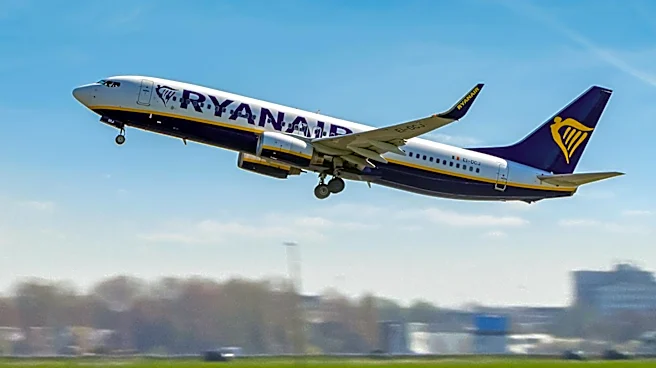
and 2% higher for flights compared to summer. Hopper Technology Solutions reports that the average domestic airfare is $326, a 39% increase from last year, while international airfares to Europe have risen over 33%. Hayley Berg, lead economist at Hopper, notes that fall fares are now aligning with summer prices, a shift from historical trends. This increase is attributed to factors such as earlier surges in jet fuel prices and the impact of remote work flexibility, which has boosted demand during traditionally quieter travel periods.
Why It's Important?
The rising cost of fall travel has significant implications for U.S. consumers and the travel industry. For individuals and families, it means that budget-friendly vacations during the shoulder season are becoming less accessible, potentially altering travel plans and reducing overall travel frequency. For the travel industry, including airlines, hotels, and tour operators, higher prices could lead to increased revenue, but also risk alienating price-sensitive travelers. The shift in demand patterns due to remote work flexibility suggests a long-term change in travel behavior, where traditional off-peak seasons are becoming more crowded and expensive. This trend could force the industry to adapt its pricing strategies and offerings to cater to a more flexible, but also more demanding, traveler base.
What's Next?
Travelers seeking deals will need to employ more proactive strategies, such as monitoring prices through airfare trackers like Hopper, KAYAK, Skyscanner, and Google Flights. Experts advise flexibility with destinations and dates to find better rates. Some destinations, like Honolulu, Fort Walton Beach, and San Diego, still offer combined savings for lodging and flights of about 15% in the fall compared to summer, according to Expedia. For cooler climates, Anchorage, Aspen, and Bozeman offer around 30% savings. Direct booking with hotels and utilizing airline miles for special deals are also recommended. The industry will likely continue to observe how remote work impacts seasonal demand and adjust pricing and promotions accordingly.
Beyond the Headlines
The trend of increasing fall travel prices reflects broader economic shifts and evolving consumer behaviors. The influence of remote work highlights a fundamental change in how and when people travel, blurring the lines between business and leisure and distributing travel demand more evenly throughout the year. This could lead to a re-evaluation of the traditional 'shoulder season' concept. Furthermore, the sustained high prices, even as fuel costs stabilize, suggest that airlines and hotels are prioritizing profit margins, potentially indicating a new normal for travel costs. This situation also underscores the growing importance of travel technology and data analytics in helping consumers navigate a more complex and dynamic pricing landscape.