





What's Happening?
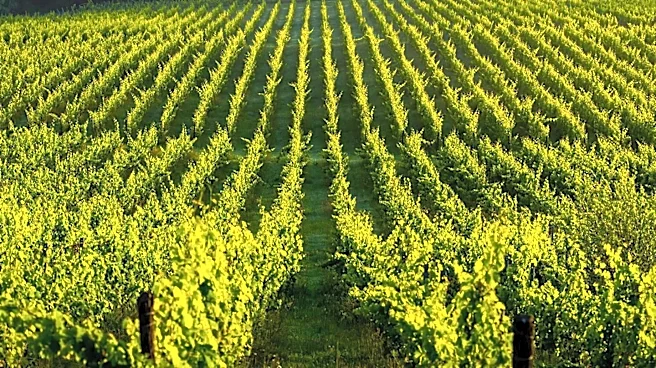
The concept of terroir in wine production is being re-evaluated as a human responsibility rather than just a natural phenomenon. Terroir involves the interaction between climate, soil, and human knowledge to create distinctive products. However, it does
not automatically guarantee quality or sustainability. The future of terroir depends on defending and rewarding producers who remain faithful to their place and knowledge. This understanding challenges the traditional view of terroir as merely a marketing tool and emphasizes the need for genuine connection between product and place.
Why It's Important?
This redefinition of terroir has significant implications for the wine industry and agricultural practices. By focusing on the human element, it highlights the importance of preserving traditional knowledge and practices that contribute to the uniqueness of a product. This approach could lead to more sustainable and ethical production methods, benefiting both producers and consumers. It also raises questions about the role of regulations and market forces in shaping the future of terroir, potentially influencing public policy and industry standards.
Beyond the Headlines
The emphasis on human responsibility in terroir could lead to a cultural shift in how agricultural products are valued and marketed. It challenges the notion of terroir as a static concept and encourages innovation while maintaining traditional practices. This perspective may also influence consumer behavior, as more people seek products that reflect genuine craftsmanship and connection to place. Additionally, it highlights the need for education and awareness about the complexities of terroir, fostering a deeper appreciation for the role of human knowledge in agriculture.