






What's Happening?
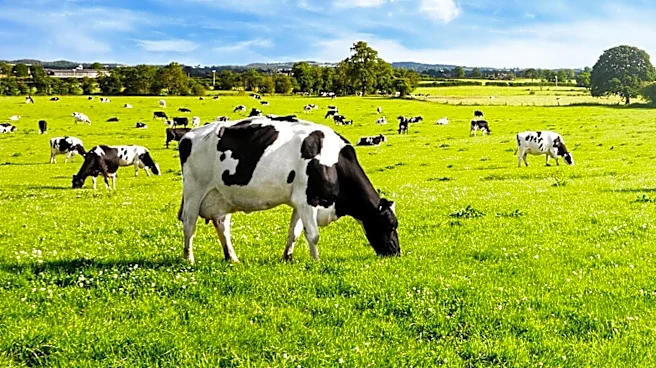
Pedro Gundesen, a cattle breeder, observes a resurgence in cattle farming in agricultural provinces like Córdoba, where younger generations are returning to the practice. This shift is driven by the need to diversify agricultural risks and improve profitability
amid challenging climatic conditions. Gundesen's annual auction at his Limangus Don Pedro ranch will feature a range of high-quality genetic stock, including pedigree and purebred cattle. The renewed interest in cattle farming is attributed to the economic benefits of diversifying agricultural operations and the enduring global demand for Argentine beef.
Why It's Important?
The return to cattle farming in traditionally agricultural regions highlights a strategic shift in response to economic and environmental pressures. Diversifying into cattle farming can mitigate risks associated with crop production, such as fluctuating market prices and adverse weather conditions. This trend could lead to increased investment in cattle genetics and infrastructure, enhancing the quality and competitiveness of Argentine beef in global markets. The move also reflects a broader recognition of the need for sustainable and resilient agricultural practices.
What's Next?
As more agricultural producers incorporate cattle farming into their operations, there may be increased demand for high-quality genetic stock and advanced breeding techniques. This could drive innovation and investment in the cattle industry, potentially leading to improved productivity and profitability. The trend may also encourage policy support for integrated farming systems that balance crop and livestock production. Stakeholders will likely monitor the economic and environmental impacts of this shift to ensure sustainable growth in the sector.