




What's Happening?
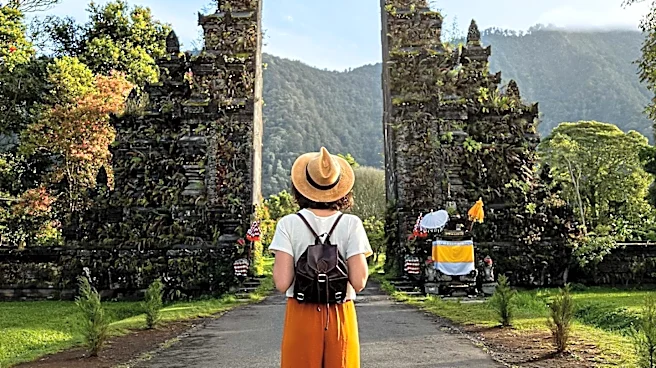
Ubud, located in the central highlands of Bali, is celebrated for its rich cultural heritage and natural beauty. Known as the cultural heart of Bali, Ubud offers a unique experience distinct from the island's coastal areas. Visitors can explore the famous
Tegalalang Rice Terrace, the Sacred Monkey Forest Sanctuary, and the Ubud Palace, which showcases traditional Balinese architecture. The area is also renowned for its art markets, wellness retreats, and authentic Balinese cuisine. Ubud provides a slower pace of life, allowing travelers to immerse themselves in the island's traditions and natural landscapes.
Why It's Important?
Ubud's significance lies in its ability to offer a different perspective of Bali, focusing on culture, art, and nature rather than the typical beach and nightlife attractions. This makes it a vital destination for those seeking a deeper understanding of Balinese culture and spirituality. The area's emphasis on wellness and relaxation also attracts tourists looking for rejuvenation and personal growth. Ubud's thriving art scene supports local artisans and contributes to the preservation of traditional crafts, making it an essential part of Bali's cultural economy.
What's Next?
As Ubud continues to attract international tourists, there is potential for further development in sustainable tourism practices. Efforts to preserve the natural and cultural heritage of the area are likely to increase, with a focus on balancing tourism growth with environmental conservation. The local government and tourism operators may implement strategies to manage visitor numbers and protect the integrity of Ubud's cultural sites. Additionally, the rise in wellness tourism could lead to more investment in health and wellness facilities, enhancing Ubud's reputation as a leading destination for holistic retreats.
Beyond the Headlines
Ubud's appeal extends beyond its immediate attractions, offering insights into the broader cultural and spiritual landscape of Bali. The area's emphasis on traditional practices and community involvement highlights the importance of cultural preservation in the face of globalization. Ubud's success in maintaining its cultural identity while embracing tourism serves as a model for other destinations seeking to balance economic growth with cultural integrity. The ongoing dialogue between tradition and modernity in Ubud reflects broader trends in global tourism, where travelers increasingly seek authentic and meaningful experiences.