




What's Happening?
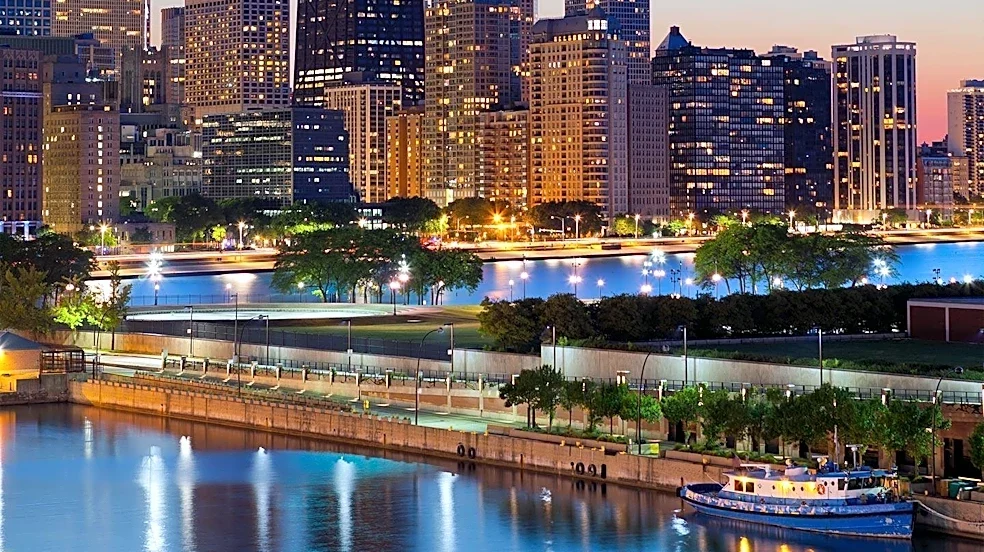
A foreclosure auction is scheduled for next month for the office-to-residential conversion project at 330 S. Wells St. in downtown Chicago. This 17-story mixed-use property, which was converted into 132 apartments and 24,000 square feet of refurbished
workspaces and retail in 2019 by LG Development Group and Marc Realty, is now facing a sale process after a judge ruled its loan note is in default. An LLC registered to Lindy Communities, a Pennsylvania-based multifamily investor, purchased the loan note from an affiliate of Prime Finance in February. The original $27 million construction loan from Regions Bank was refinanced in 2021 with a $28.2 million mortgage from Prime Finance, which matured in February 2025 and was not paid off. The total amount due, including accrued interest, was approximately $33.3 million as of early September.
Why It's Important?
This foreclosure highlights the financial challenges that can arise even in the context of a growing trend like office-to-residential conversions. While Chicago has one of the largest conversion pipelines in the country, this specific project, which predates the pandemic, demonstrates the risks associated with such ventures, particularly with floating-rate debt. The property's debt service of $2.4 million outpaced its net operating income of nearly $1.9 million by the end of 2023, despite 97% occupancy, due to rising interest rates. This situation underscores the importance of financial planning and risk management in large-scale urban redevelopment projects. The potential acquisition by Lindy Communities, a multifamily investor, could stabilize the property and ensure its continued operation as residential units, but the financial distress of the original developers serves as a cautionary tale for future conversion projects.
What's Next?
The sheriff's auction for the 330 S. Wells St. property is set for November 3. Lindy Communities, which purchased the defaulted loan note, is poised to acquire the property, potentially applying the outstanding balance of the loan as a credit toward the purchase price. This acquisition would allow Lindy Communities to take control of the building and continue its operation as a residential and commercial space. The outcome of this auction will be closely watched by other developers and investors involved in Chicago's office-to-residential conversion market, as it could influence future investment strategies and risk assessments for similar projects. The broader implications for Chicago's conversion pipeline, which is the third-largest in the U.S., will also be a point of interest.
Beyond the Headlines
The foreclosure of a seemingly successful office-to-residential conversion project, despite high occupancy, reveals the intricate financial pressures within the commercial real estate market. The reliance on floating-rate debt, especially in a period of rising interest rates, can quickly turn a viable project into a distressed asset. This situation also sheds light on the role of specialized lenders and investors who acquire defaulted loans at a discount, effectively taking over projects that have become financially untenable for their original developers. The broader trend of office-to-residential conversions is seen as a solution to urban vacancies and housing shortages, but this case illustrates that the financial engineering behind these transformations is as critical as the physical conversion itself. It underscores the need for robust financial models and adaptable strategies to navigate economic fluctuations in urban redevelopment.