





What's Happening?
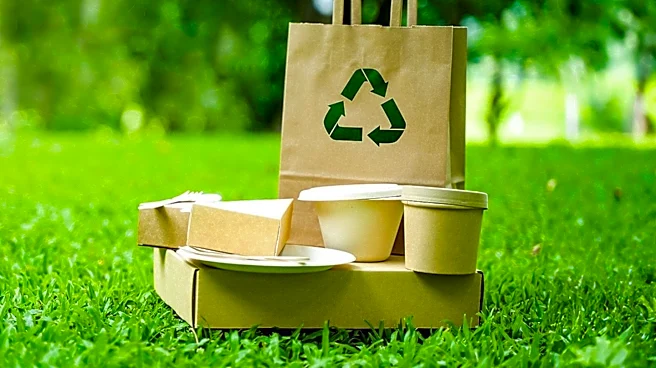
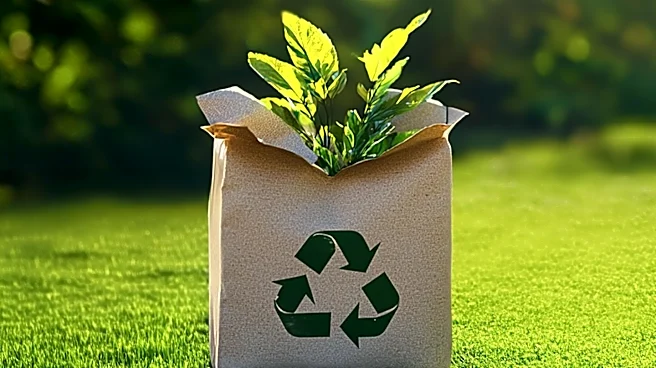
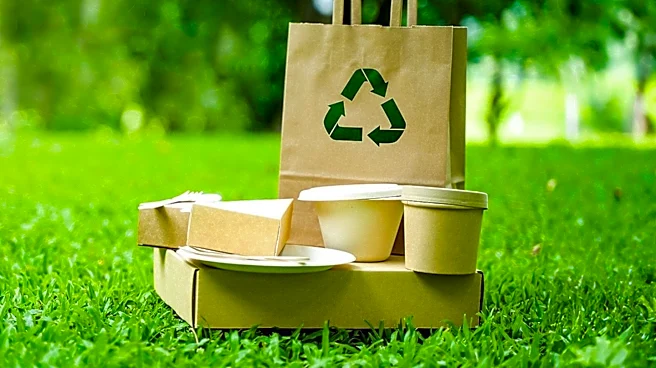
Home composting is becoming more versatile, with the inclusion of certain paper packaging materials beyond traditional food scraps. Unbleached flour and sugar bags, for instance, can now be added to home compost piles, provided they are free from plastic,
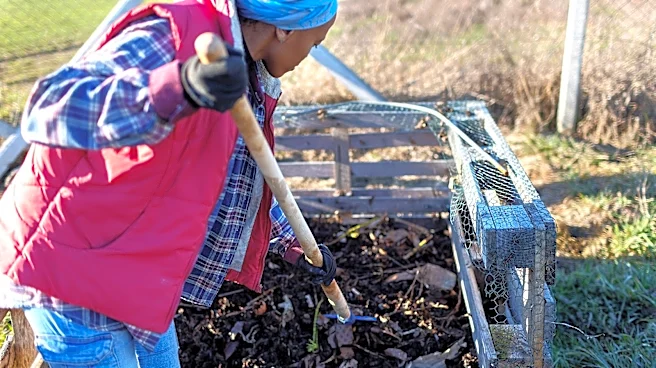
tape, wax, glue, or other coatings. This practice helps in recycling organic materials and converting them into a valuable gardening product. Composting involves a mix of carbon-rich 'browns' like dry paper and leaves, and nitrogen-rich 'greens' such as fruit and vegetable scraps. These paper bags contribute to the 'brown' component, which is crucial for the composting ratio. If a compost pile is too wet from kitchen scraps, adding torn paper bags can help balance the moisture by increasing the dry materials. Conversely, if the pile is already dry, a little water can be added when incorporating paper. This method not only reduces household waste but also enriches garden soil, fostering a circular process where packaging that once held ingredients can help grow new ones.
Why It's Important?
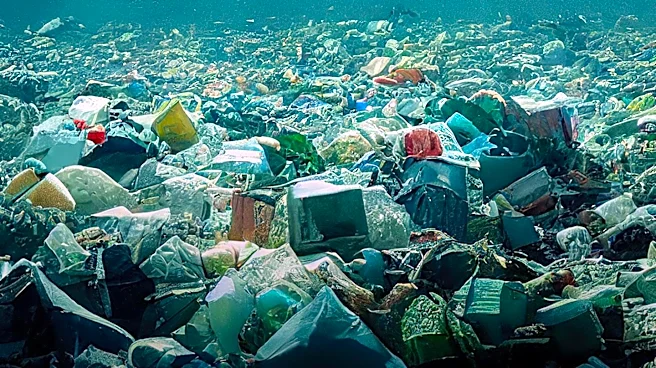
The expansion of compostable materials to include specific paper packaging holds significant environmental and economic importance. Nearly 30% of household waste can be composted, diverting substantial amounts of organic material from landfills. This reduction in landfill waste helps mitigate environmental issues associated with waste disposal, such as methane emissions. Economically, composting at home can reduce the need for synthetic fertilizers and soil conditioners, saving gardeners money. The resulting compost improves soil structure, increases water retention, and encourages beneficial soil biology, leading to healthier plants and gardens. For communities, widespread home composting can lessen the burden on municipal waste management systems and potentially reduce costs associated with waste collection and disposal. Furthermore, it promotes a more sustainable lifestyle by encouraging individuals to actively participate in waste reduction and resource recycling, contributing to a greener economy and healthier ecosystems.
What's Next?
As awareness of the benefits of home composting grows, there is potential for increased adoption of these practices. Educational initiatives from local extension offices and community groups will likely continue to inform the public about what materials are compostable and how to maintain a healthy compost pile. The availability of composting tools and bins at hardware stores and garden centers, along with DIY options, will make it easier for more households to start composting. Future developments might include clearer labeling on packaging to indicate compostability, further simplifying the process for consumers. Additionally, community composting programs, where multiple households contribute to a centrally managed system, could expand, especially in urban areas or for those with limited space. These programs could offer shared resources and expertise, making composting accessible to an even broader population and further reducing landfill waste.
Beyond the Headlines
The shift towards including more diverse materials like paper packaging in home composting signifies a broader cultural movement towards sustainability and resourcefulness. It highlights a growing understanding that waste is a misplaced resource, and that everyday items can be repurposed to create value. This practice fosters a deeper connection to the natural cycle of growth and decay, encouraging individuals to think critically about consumption and disposal. Ethically, it promotes responsible stewardship of the environment and a reduction in ecological footprint. Legally, as more materials become certified compostable, there may be a push for clearer regulations and standards for packaging, influencing manufacturers to design products with end-of-life considerations in mind. This trend could also inspire innovation in biodegradable materials and packaging solutions, driving a more circular economy where products are designed to be reused, recycled, or composted, minimizing environmental impact.