



What's Happening?
Circle K, the second-largest convenience store chain in the United States with approximately 7,300 outlets across 48 states, is facing allegations of routinely overcharging consumers. A Guardian investigation found that Circle K locations frequently charge
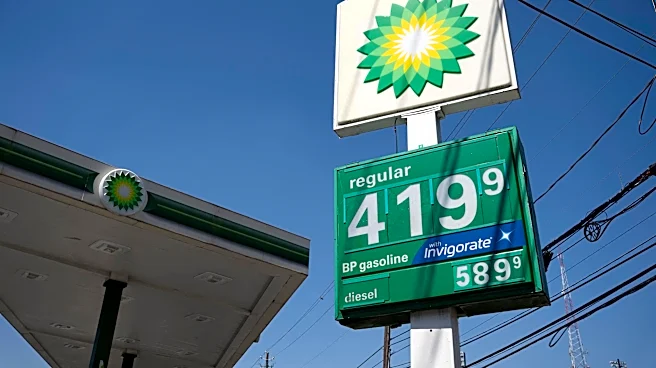
customers more than the advertised shelf prices for various items, including snacks, beverages, and gasoline. Between 2023 and 2025, Circle K stores failed a significant percentage of government price-accuracy inspections, with failure rates of 35% in Florida, 62% in North Carolina, and 82% in Columbus, Ohio. Consumers have reported instances where products scanned at a higher price than displayed on the shelf, and gas pumps charged more than the prices advertised on roadside signs. Circle K, owned by Quebec-based Alimentation Couche-Tard, stated that pricing discrepancies can occur between shelf labels and point-of-sale systems and that they work to correct unintentional pricing errors promptly. However, legal scholars argue that major merchants, with their advanced inventory management tools, have no excuse for such discrepancies.
Why It's Important?
These alleged overcharges by Circle K, and other major convenience store chains, have a significant impact on U.S. consumers, particularly those in lower-income brackets who frequently rely on these stores. The Guardian investigation highlights that these pricing discrepancies add financial stress to household budgets already strained by high inflation. David Friedman, a legal scholar at Oregon's Willamette University, emphasizes that such practices are inexcusable given the technological advancements in inventory management. The issue disproportionately affects vulnerable populations, as convenience stores are often frequented by shift workers, blue-collar workers, seniors, and individuals with limited transportation options. The cumulative effect of small overcharges can significantly impact the disposable income of these consumers, potentially leading to missed meals or other financial hardships. This situation also raises questions about corporate responsibility and consumer protection in a challenging economic environment.
What's Next?
The ongoing allegations of overcharging could lead to increased scrutiny from state attorneys general and consumer protection agencies. While many states currently prioritize inspections of larger grocery and big-box stores, the findings of this investigation might prompt a re-evaluation of inspection priorities for convenience stores. Legal scholar David Friedman suggests that a national commitment, potentially involving aggressive and repeated litigation from the Federal Trade Commission or state attorneys general, would be necessary to curb these practices effectively. Consumers are likely to become more vigilant about checking prices at the register against shelf labels and reporting discrepancies. Circle K's stated commitment to correcting pricing errors will be tested as consumer complaints and regulatory attention potentially increase. The company may need to implement more robust internal controls and training for staff to ensure price accuracy across its vast network of stores.
Beyond the Headlines
The issue of pricing discrepancies in convenience stores extends beyond simple errors, touching upon broader ethical and systemic concerns within the retail industry. The Guardian's findings suggest a potential pattern of behavior that exploits 'distracted, hurried, desperate customers' who are less likely to challenge small overcharges. This practice can erode consumer trust and create an uneven playing field, especially for those with limited financial flexibility. The lack of comprehensive and proactive price-accuracy inspections in many states further exacerbates the problem, allowing these issues to persist. The reliance on consumer complaints rather than routine checks places the burden of enforcement on individuals, many of whom may not have the time, resources, or confidence to pursue such matters. This situation underscores the need for stronger regulatory oversight and corporate accountability to protect consumers from potentially deceptive pricing tactics, particularly in essential retail sectors.