



What's Happening?
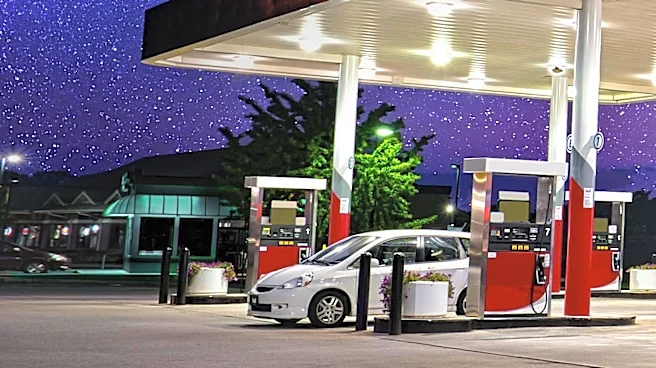
Motorists in the Philippines are anticipating significant reductions in fuel prices starting November 10, 2026. Gasoline prices are projected to decrease by P16.80 per liter, diesel by P4.10 per liter, and kerosene by P3.70 per liter. These adjustments
follow a period of mixed price changes, including a P3.50-per-liter increase in gasoline the previous week. The Department of Energy (DOE) announced these changes on Monday, November 9, though it has not yet clarified if the reductions will be implemented in full or staggered. The substantial rollback is attributed to easing global oil price pressures, largely influenced by the outcomes of the recent U.S. midterm elections. Democratic gains in both chambers of Congress have reportedly strengthened their capacity to oppose legislative actions supporting further U.S. military involvement in the Middle East. Additionally, President Trump indicated that future attacks on Iran are 'unlikely' if negotiations regarding Tehran's nuclear program and the Strait of Hormuz progress. The local currency, the peso, also remained stable near P63 to $1, which helps lower the local cost of imported fuel.
Why It's Important?
This significant fuel price rollback is crucial for Filipino consumers and the national economy. Lower fuel costs directly reduce transportation expenses for individuals and businesses, potentially easing inflationary pressures and increasing disposable income. For industries reliant on fuel, such as logistics, public transport, and manufacturing, reduced costs can improve profit margins and potentially lead to lower prices for goods and services. The influence of U.S. political developments, specifically the midterm election results and statements from President Trump regarding Iran, highlights the interconnectedness of global energy markets and international politics. The stability of the peso against the dollar also plays a vital role, as a stronger local currency makes dollar-denominated oil imports less expensive, further contributing to price reductions. This situation demonstrates how geopolitical shifts and currency valuations can have immediate and tangible impacts on everyday living costs in countries like the Philippines.
What's Next?
The immediate next step involves the implementation of these fuel price rollbacks, with motorists awaiting clarification from the Department of Energy on whether the reductions will be applied in full or staggered. These new prices are expected to remain in effect until November 16. Market observers will be closely watching global oil prices for further fluctuations, which could be influenced by ongoing negotiations concerning Iran's nuclear program and the Strait of Hormuz. Any shifts in U.S. foreign policy or geopolitical tensions in the Middle East could impact future oil supply and demand dynamics. Domestically, the Philippine government and consumers will monitor the broader economic effects of these lower fuel prices, including potential impacts on inflation rates and consumer spending. The stability of the peso will also remain a key factor in determining future fuel cost adjustments.
Beyond the Headlines
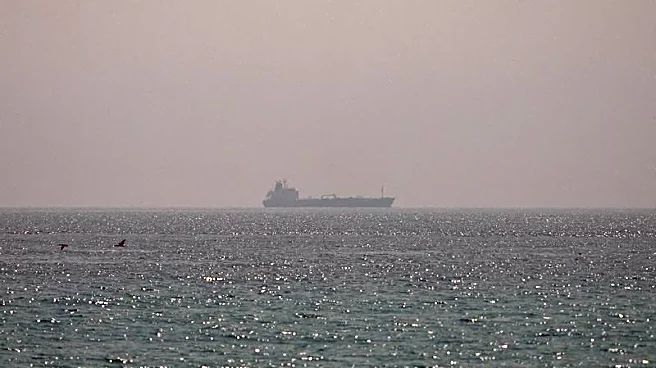
The substantial fuel price reduction in the Philippines, driven by U.S. midterm election outcomes, underscores the profound global reach of American domestic politics. Beyond immediate economic relief, this event highlights the intricate web of international relations where electoral shifts in one major power can directly influence commodity prices worldwide. It also brings to the forefront the strategic importance of the Strait of Hormuz as a critical chokepoint for global oil shipments, demonstrating how diplomatic progress or setbacks in the Middle East can have immediate economic repercussions far beyond the region. The situation also implicitly raises questions about energy security and the vulnerability of import-dependent nations to external geopolitical factors. For the Philippines, it reinforces the need for diversified energy sources and robust economic policies to buffer against such international volatilities, even as it benefits from current favorable conditions.