






What's Happening?
The U.S. commercial real estate market experienced improving conditions across several key sectors during the third quarter of 2026. According to Baker Tilly's latest market report, there was stronger leasing activity, rising occupancy rates, and a better
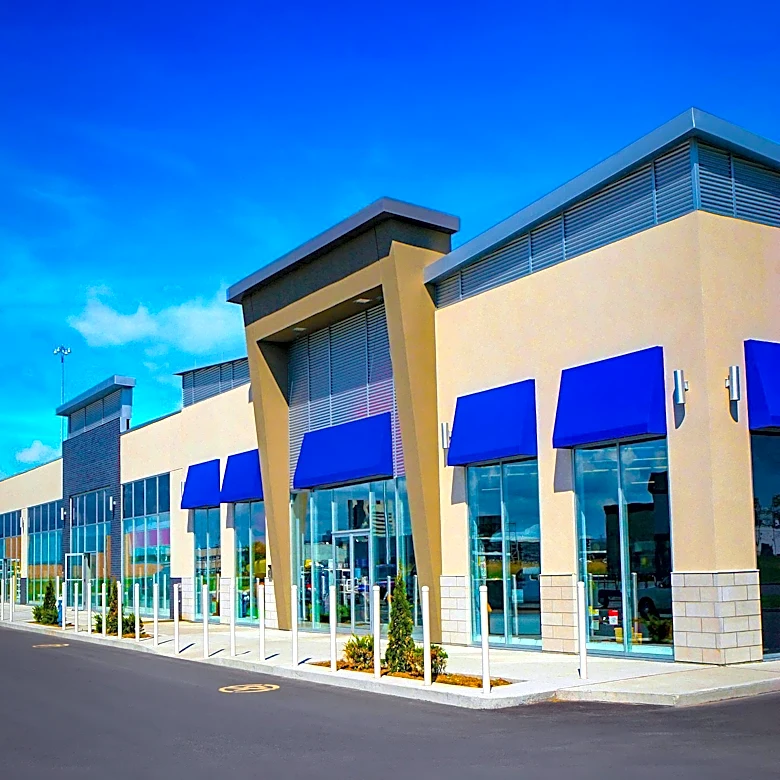
balance between supply and demand. Positive developments were noted in multifamily housing, senior housing, office, retail, and industrial properties. The office market, in particular, strengthened due to increased leasing demand and improving occupancy, aided by limited new construction and the conversion or removal of existing buildings. Retail property benefited from resilient tenant demand and historically low levels of new development, while industrial property saw improvements in leasing activity and net absorption. Senior housing continued its momentum, driven by favorable demographic trends, rising occupancy, and constrained new development, attracting growing institutional investor interest.
Why It's Important?
These improving conditions in the U.S. commercial real estate market are significant for several reasons. Stronger leasing activity and rising occupancy indicate a healthier economic environment and increased business confidence, which can lead to further investment and job creation. The better balance between supply and demand suggests that the market is stabilizing after potential previous imbalances, reducing risks for investors and developers. The growth in sectors like senior housing, supported by demographic trends, highlights evolving societal needs and investment opportunities. For businesses, a more stable and active real estate market can mean more options for expansion or relocation, potentially leading to increased operational efficiency. Institutional investor interest in senior housing, as noted in the report, signals a recognition of long-term value in this sector, which could attract more capital and development, ultimately benefiting the aging population through improved facilities and services.
What's Next?
Looking ahead, the positive trends in the U.S. commercial real estate market are expected to continue, particularly with slower construction activity helping to reduce competition from new supply. This could lead to sustained occupancy and leasing growth across various sectors. The Oxford Economics’ 2026 Commercial Real Estate Megatrend Resilience Index, which assesses 91 cities globally, identifies industrial property as the most resilient sector, followed by residential, retail, and office property. This suggests that investment opportunities may increasingly focus on these resilient sectors. Furthermore, the report emphasizes the growing importance of property quality, location, and sector fundamentals for future investment prospects. Technology, including artificial intelligence, connected building systems, and data analytics, is also becoming a crucial factor, offering opportunities to enhance building management, operational efficiency, and tenant services, which will likely drive innovation in the industry.
Beyond the Headlines
The observed improvements in the U.S. commercial real estate market extend beyond mere financial metrics, hinting at deeper shifts in urban development and investment strategies. The emphasis on property quality and location underscores a move towards more sustainable and strategically planned developments, potentially influencing urban planning and infrastructure investments. The increasing role of technology, such as AI and data analytics, suggests a future where commercial buildings are not just physical spaces but intelligent, interconnected ecosystems. This technological integration could lead to more efficient resource management, reduced operational costs, and enhanced tenant experiences, setting new standards for commercial properties. Moreover, the resilience of industrial and residential sectors, as highlighted by the Oxford Economics index, points to a re-evaluation of urban priorities, possibly favoring logistics and housing solutions in response to evolving consumer behaviors and demographic changes. This could trigger long-term shifts in how cities are designed and how real estate assets are valued.