
What's Happening?
At a recent expedition cruise conference in London, industry executives openly admitted to a degree of "greenwashing" and acknowledged that their operations are not currently sustainable. John McKeon,
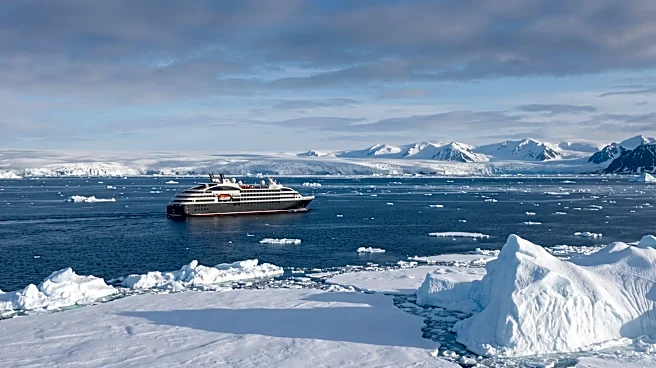
founder of Polar Latitudes Expeditions, stated that it is difficult to claim sustainability while burning 12 tonnes of fuel daily, suggesting that true sustainability is still a decade or two away. Similarly, Oceanwide Expeditions CEO Rémi Bouysset conceded that there is a "certain level of greenwashing" within the industry. The core issue highlighted was not a lack of environmental concern among operators, but rather a lack of transparency regarding their environmental impact. Companies often overstate their environmental progress, making it challenging for consumers to make informed decisions and support genuinely eco-friendly businesses. This candid admission from industry leaders underscores the ongoing challenge of balancing nature-centric travel experiences with environmental responsibility.
Why It's Important?
This admission from expedition cruise industry leaders is significant because it highlights a broader issue of transparency and accountability within the travel sector, particularly concerning environmental claims. For U.S. consumers, this means that marketing messages about "nature-first" or "sustainable" cruises may not fully reflect the environmental realities of these operations. It impacts their ability to spend money intentionally and support businesses that are genuinely committed to reducing pollution. The practice of greenwashing can mislead the public, creating a false sense of environmental progress while potentially hindering efforts to address climate change and protect fragile ecosystems. This situation could lead to increased scrutiny from environmental groups and regulatory bodies, potentially prompting new guidelines or stricter enforcement of environmental marketing claims in the travel industry. Ultimately, it underscores the need for greater honesty and verifiable action from companies claiming environmental stewardship.
What's Next?
Following these admissions, the expedition cruise industry is likely to face increased pressure to enhance transparency and implement more tangible environmental protection measures. The conference itself produced a new framework from the Expedition Cruise Network, designed to provide travel agents with clearer language for discussing operators' progress on responsible tourism. This suggests a move towards more standardized and honest communication about environmental efforts. Operators like Oceanwide Expeditions are already engaging in pollution-offsetting initiatives, such as reforestation programs, though it's acknowledged that these do not eliminate the pollution created. The industry will need to focus on reducing direct environmental harm from their activities, beyond just disclosure. This could involve investing in cleaner fuel technologies, improving waste management, and developing more robust, verifiable sustainability metrics. Consumers and environmental advocates will likely continue to demand greater accountability and concrete actions to mitigate the environmental impact of these cruises.
Beyond the Headlines
The candid acknowledgment of "greenwashing" by expedition cruise leaders delves into the ethical dimensions of corporate environmental responsibility and consumer trust. In an era where environmental consciousness is growing, companies face immense pressure to appear sustainable, sometimes leading to misleading claims. This situation highlights the tension between commercial interests and genuine environmental stewardship. The long-term implication is a potential shift in how the travel industry, and perhaps other sectors, communicates its environmental impact. It could foster a more critical consumer base that demands verifiable data and concrete actions rather than just marketing rhetoric. This development might also encourage a broader re-evaluation of what truly constitutes "sustainable tourism," pushing for innovations that fundamentally reduce environmental footprints rather than merely offsetting them. The ethical imperative for businesses to be transparent about their environmental challenges, even as they work towards solutions, is brought to the forefront.