
What's Happening?
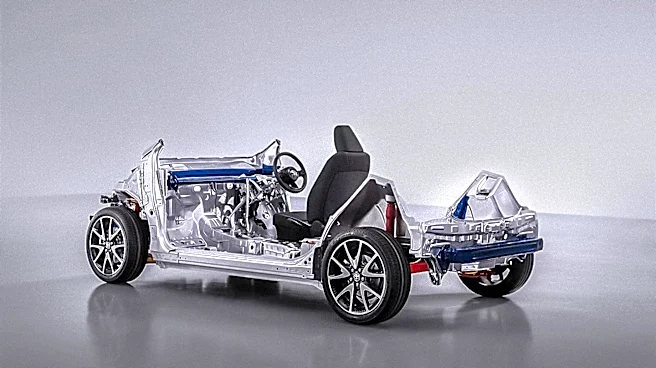
The website for Freelander 8, a brand jointly owned by Chery and Jaguar Land Rover (JLR), briefly featured an image of the Nio Inc. ES8's body structure on a promotional page. This incident, which occurred
on the evening of August 18, sparked widespread discussion in China. Auto bloggers noted that the image, intended to showcase Freelander 8's body safety, appeared to be the ES8's body-in-white structural diagram and rendering. Comparisons with publicly available Nio ES8 images revealed high consistency in body structure, panel outlines, and detailed positions. The front compartment in the displayed image was characteristic of a battery electric model, whereas the Freelander 8 is an extended-range model requiring space for a 1.5T range extender. Approximately an hour after the issue gained attention, the image was replaced, and the page was temporarily blank. Neither Freelander nor Nio has issued a public statement regarding the matter.
Why It's Important?
This incident highlights potential issues in marketing and intellectual property within the highly competitive electric vehicle (EV) market, particularly in China. The accidental use of a competitor's design imagery, even if brief, can lead to questions about a company's originality, design processes, and attention to detail. For consumers, it might create confusion about the distinct features and engineering of the Freelander 8 versus the Nio ES8. For the companies involved, it could potentially raise concerns about brand integrity and competitive practices. In an industry where innovation and unique selling propositions are crucial, such an oversight can be detrimental to a brand's image, especially for a newly launched model like the Freelander 8, which recently began pre-sales. The incident also underscores the rapid pace of information dissemination and scrutiny in the digital age, where even minor errors can quickly become public knowledge.
What's Next?
While neither Freelander nor Nio has commented, the incident may prompt both companies to review their digital content management and marketing approval processes. Freelander will likely focus on reinforcing its unique design and engineering attributes to differentiate its product from competitors, especially given the sensitive timing following its pre-sales launch. The company may issue a statement to clarify the situation and reassure potential customers about the originality of the Freelander 8's design. Nio, on the other hand, might monitor the situation for any potential implications regarding its intellectual property. The broader EV market will continue to observe how brands manage their public image and product differentiation in a crowded and rapidly evolving landscape. This event could serve as a cautionary tale for other manufacturers to exercise extreme diligence in their promotional materials.
Beyond the Headlines
Beyond the immediate marketing blunder, this event touches upon deeper themes of intellectual property protection and competitive ethics in the automotive industry. In a globalized market, where design elements and technological advancements are closely watched, the accidental or intentional use of another company's assets can have significant legal and reputational consequences. It also highlights the challenges faced by new brands or joint ventures in establishing a distinct identity, especially when competing with established players like Nio, whose ES8 model is a benchmark in China's large SUV market. The incident could also spark discussions about the extent to which design inspirations or common engineering principles might lead to visual similarities across different EV models, and how companies can effectively communicate their unique value propositions to avoid such confusions. The rapid response of auto bloggers and the subsequent quick removal of the image also demonstrate the power of online communities in holding companies accountable.