






What's Happening?
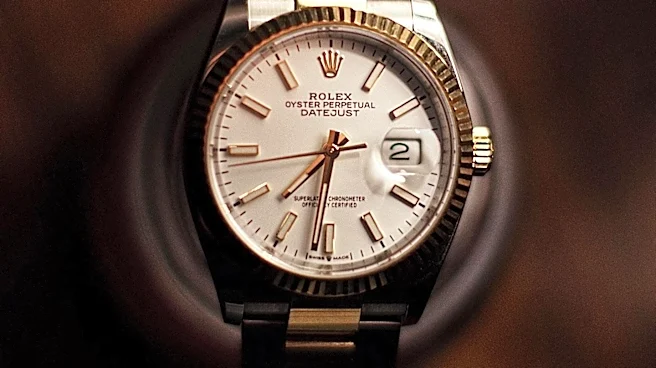
Rolex and Omega, two leading names in Swiss watchmaking, are often compared by luxury watch buyers. Rolex is renowned for its high resale value and investment potential, with models like the Submariner and Daytona selling above retail due to engineered
scarcity. Omega, while respected, typically trades below retail on the secondary market. Rolex is owned by the Hans Wilsdorf Foundation, a private entity, allowing it to manage scarcity effectively. Omega is part of the publicly traded Swatch Group, which impacts its market strategy. Omega offers rich heritage, including the Moonwatch worn during the Apollo 11 mission, and is the official Olympic Games timekeeper. Rolex is recognized for its status symbol, while Omega provides better accessibility and value.
Why It's Important?
The comparison between Rolex and Omega highlights key factors influencing luxury watch purchases, such as resale value, brand heritage, and accessibility. Rolex's strategy of limiting supply enhances its status and investment appeal, making it a preferred choice for those prioritizing exclusivity. Omega's historical significance and competitive pricing make it attractive to buyers seeking quality without the premium markup. This analysis provides insights into consumer preferences and market dynamics within the luxury watch industry, influencing purchasing decisions and brand positioning.