





What's Happening?
The global fashion landscape is expanding beyond the traditional four capitals of New York, London, Milan, and Paris, with cities like Copenhagen, Berlin, Tbilisi, Lisbon, Mumbai, Shanghai, São Paulo, Lagos, and Seoul emerging as significant trendsetters.
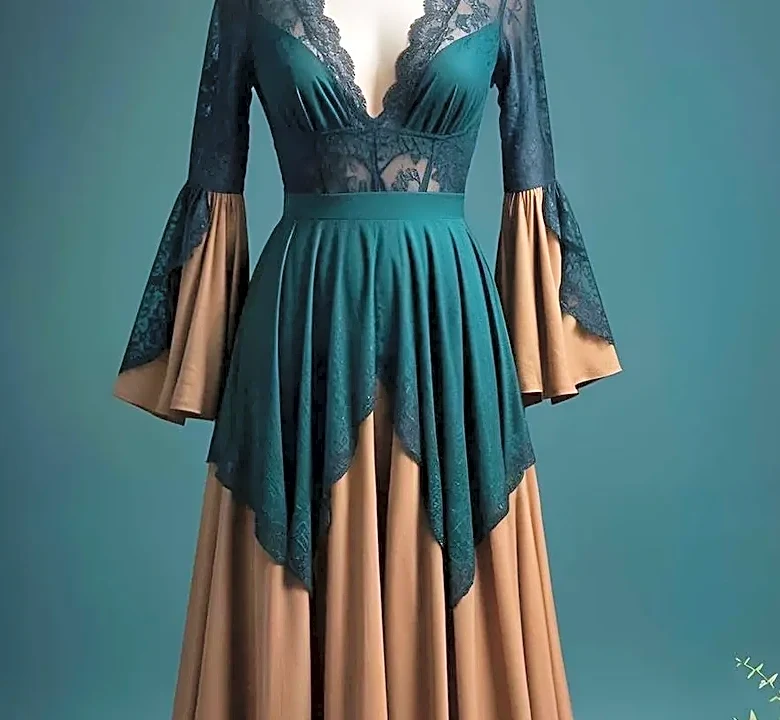
These cities are not merely imitating established fashion weeks but are forging unique identities, often integrating local culture, sustainability, and innovative formats. Copenhagen Fashion Week, for instance, has made sustainability a mandatory criterion for participation since 2020, while Berlin Fashion Week focuses on connecting talent and creative languages through a network of shows, presentations, and cultural events. This decentralization reflects a broader shift in how fashion weeks are perceived, moving beyond mere catwalk shows to platforms that tell regional stories and support local industries.
Why It's Important?
This diversification of fashion hubs has significant implications for the U.S. fashion industry and global retail. As new cities gain prominence, they introduce fresh aesthetics, production models, and consumer demands that can influence U.S. designers, buyers, and retailers. The emphasis on sustainability, as seen in Copenhagen, could accelerate the adoption of eco-friendly practices within the U.S. fashion market, pushing brands to prioritize ethical sourcing and production. Furthermore, the rise of distinct regional styles and cultural influences from these emerging fashion weeks offers U.S. consumers a broader range of choices and challenges the dominance of a singular fashion narrative, fostering greater creativity and market competition.
What's Next?
The trend of decentralized fashion weeks is expected to continue, with more cities developing their unique fashion identities and contributing to global trends. This will likely lead to increased international collaborations and cross-cultural exchanges within the fashion industry. U.S. brands and retailers may need to broaden their scope to incorporate influences from these diverse fashion centers, adapting their strategies to cater to a more globally informed consumer base. Future fashion calendars will likely feature an even wider array of events, each offering distinct perspectives on design, sustainability, and cultural expression, further fragmenting and enriching the global fashion dialogue.
Beyond the Headlines
The emergence of new fashion capitals signifies a deeper cultural shift, where fashion is increasingly seen as a reflection of local identity, values, and innovation rather than solely a product of established luxury markets. This movement challenges the traditional hierarchical structure of the fashion world, promoting inclusivity and diverse perspectives. It also highlights the growing importance of sustainability and ethical practices, as many of these emerging fashion weeks are built on principles of responsibility and local craftsmanship. This evolution could lead to a more equitable and environmentally conscious global fashion industry, where creativity and cultural authenticity are valued alongside commercial success.