





What's Happening?
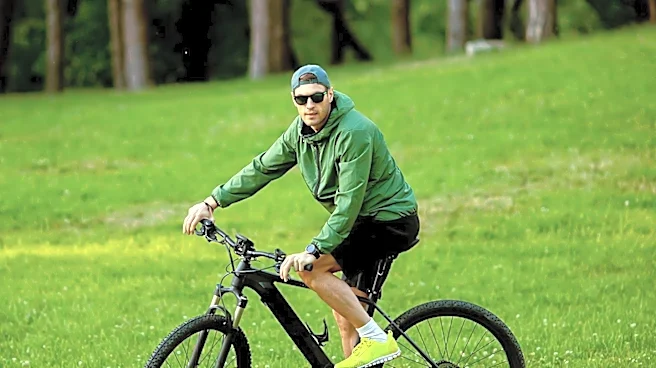
After cycling, incorporating static stretches is crucial for decreasing tightness, improving flexibility, and rebalancing the body's muscular system, according to Bianca Beldini, DPT, a USA Triathlon-certified coach and physical therapist. Research suggests
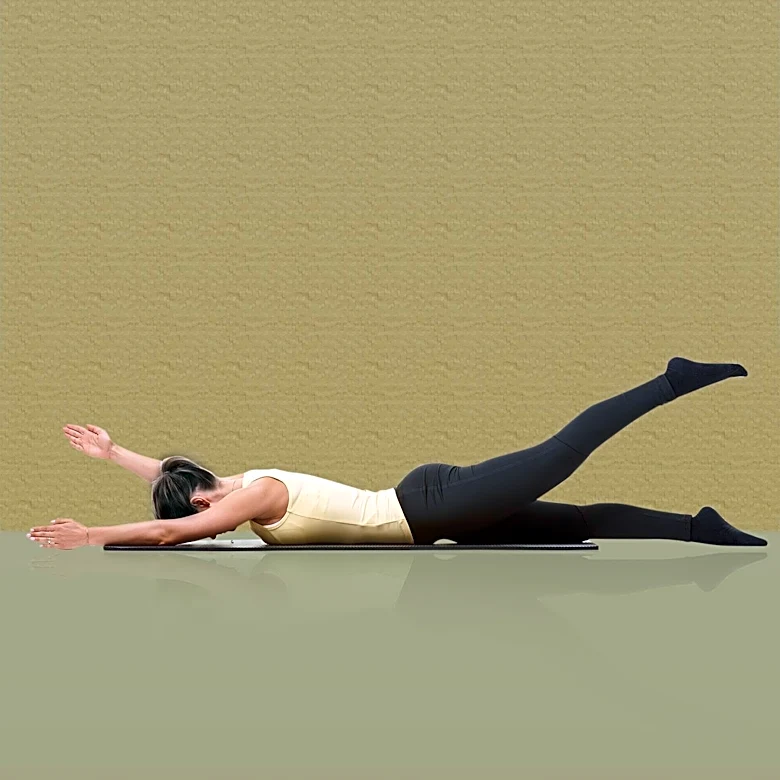
that static stretching before a ride can hinder performance, making post-ride the optimal time for these movements. The recommended circuit targets major areas stressed by cycling, including the mid-back (thoracic spine), neck, hip flexors, quadriceps, piriformis, and calves. Specific stretches include the Thoracic Mobility Stretch, Neck/Upper Trap Stretch, Updog (Lumbar Mobilization Stretch), Hip Flexor/Quad Stretch, Piriformis Stretch, and Gastroc/Soleus Stretch. Each stretch is designed to counteract the repetitive strain and hunched positions common in cycling, promoting better movement and preventing issues like nerve entrapment or plantar fasciitis.
Why It's Important?
This guidance is important for cyclists of all levels, from casual riders to competitive athletes, as it directly addresses common physical ailments and discomfort associated with the sport. The repetitive nature and sustained postures of cycling can lead to muscle imbalances, tightness, and potential injuries if not properly managed. By providing a targeted post-ride stretching routine, the advice helps cyclists maintain flexibility, improve range of motion, and reduce the risk of chronic pain or more severe conditions. This proactive approach to recovery and body maintenance can extend a cyclist's ability to enjoy the sport, enhance performance by ensuring muscles are not overly restricted, and contribute to overall physical well-being beyond the bike. It also educates riders on the correct timing for different types of stretching, dispelling common misconceptions.
What's Next?
Cyclists are encouraged to integrate this stretching circuit directly after their rides, ideally before leaving the cycling location. Implementing these stretches consistently will likely lead to noticeable improvements in flexibility, reduced muscle soreness, and better overall comfort on and off the bike. Fitness apps and cycling communities may further promote and integrate such post-ride routines, making them more accessible to a wider audience. As awareness grows, more cyclists may adopt these practices, potentially leading to a decrease in cycling-related musculoskeletal issues. The ongoing evolution of sports science will continue to refine recommendations for pre- and post-exercise routines, but the fundamental importance of flexibility and recovery will remain a cornerstone of athletic health.
Beyond the Headlines
The emphasis on post-ride stretching highlights a broader understanding of athletic recovery and injury prevention, moving beyond just the activity itself. It underscores the interconnectedness of various muscle groups and how imbalances in one area can affect overall body function and comfort. This approach promotes a holistic view of physical activity, where preparation and recovery are as vital as the exercise itself. Culturally, it encourages a more mindful engagement with one's body, fostering self-awareness regarding physical sensations and needs. For the cycling community, it could lead to a stronger culture of self-care and preventative measures, ultimately contributing to a more sustainable and enjoyable experience of the sport for participants of all ages and abilities. It also subtly reinforces the idea that fitness is a continuous process, not just confined to the duration of a workout.