






What's Happening?
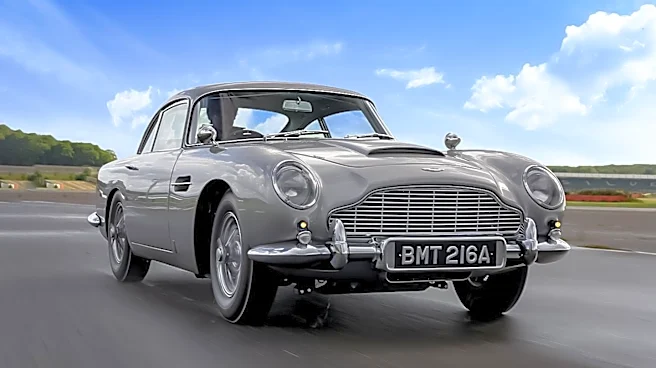
A 1965 Aston Martin DB5, famously associated with James Bond, recently underwent a road test at Aston Martin Works in Newport Pagnell, UK, following a refurbishment. This particular vehicle, finished in Silver Birch, was being prepared for delivery to a client
in Northern Europe. Aston Martin Works specializes in mechanical adjustments, refurbishments, and bespoke alterations for heritage Aston Martin vehicles from any era of the company's 113-year history. The DB5, originally designed as a luxury grand tourer, features an inline six-cylinder engine producing 282 horsepower, capable of a top speed of 145 mph and accelerating from 0-60 mph in 7.1 seconds. The car's pop culture status was cemented by its appearance in eight James Bond films, starting with 'Goldfinger,' where it was equipped with Q Branch enhancements like machine guns and an ejector seat. Producers initially approached Jaguar for the cinematic 007 car, but after their refusal, Aston Martin provided two DB5s for the 'Goldfinger' shoot.
Why It's Important?
The enduring legacy of the Aston Martin DB5 highlights the significant impact of product placement and cultural association on brand value and historical preservation within the automotive industry. Its iconic status, largely due to its role in the James Bond franchise, has elevated it beyond a mere luxury vehicle to a cultural artifact. This sustained interest drives a specialized market for classic car restoration and maintenance, as exemplified by Aston Martin Works. The high value of restored DB5s, with standard coupes trading between $500,000 and $1,300,000+, underscores the economic importance of preserving automotive heritage. This also influences the collector's market, where vehicles with strong cultural ties command premium prices, attracting enthusiasts and investors globally. The continued demand for such vehicles, even decades after their original production, demonstrates a unique intersection of automotive engineering, cinematic history, and luxury consumerism.
What's Next?
The refurbished 1965 DB5 is slated for delivery to its client in Northern Europe, continuing its life as a classic luxury grand tourer. Aston Martin Works will likely continue its operations, servicing and restoring other heritage vehicles, ensuring the longevity of the brand's historical models. The market for classic Aston Martins, particularly the DB5, is expected to remain robust, driven by collectors and enthusiasts worldwide. Future auctions may see continued high valuations for well-maintained or historically significant DB5s. Additionally, the company has previously produced 'Goldfinger DB5 Continuation' cars with replica gadgets, indicating a potential for further limited-edition releases that capitalize on the car's cinematic fame. This ongoing engagement with its heritage reinforces Aston Martin's brand identity and appeals to a dedicated segment of the luxury automotive market.
Beyond the Headlines
The Aston Martin DB5's journey from a luxury grand tourer to a global cultural icon reveals deeper insights into the power of media and storytelling in shaping brand perception and consumer desire. Its association with James Bond transformed it into a symbol of sophistication, adventure, and British espionage, transcending its original engineering purpose. This phenomenon illustrates how fictional narratives can imbue inanimate objects with profound cultural meaning, creating a legacy that far outlasts their functional lifespan. The meticulous restoration efforts by Aston Martin Works also highlight a broader societal value placed on preserving craftsmanship and historical artifacts in an increasingly disposable world. The DB5's story is a testament to the enduring appeal of classic design and the emotional connection people form with objects that represent aspirational lifestyles and iconic cultural moments.