





What's Happening?
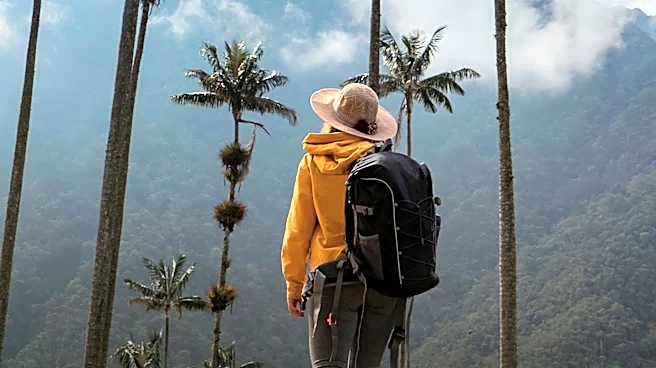
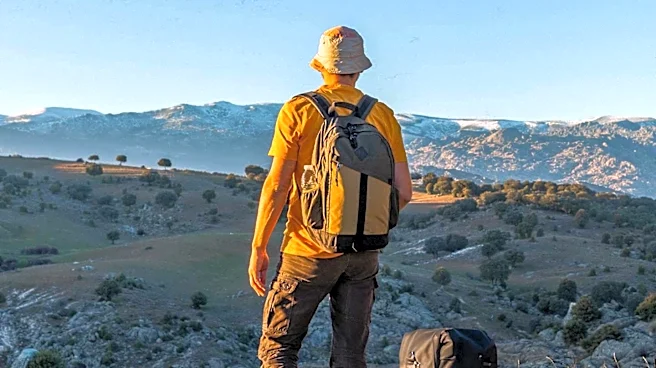
Solo travel, while offering freedom and independence, can also lead to feelings of loneliness. Experienced solo travelers suggest that loneliness is a natural part of the journey and does not indicate a failure in traveling alone. Strategies to combat
this include identifying the root cause of the feeling, which could be exhaustion, hunger, or decision fatigue, rather than just loneliness. Practical advice involves booking structured activities like food tours or classes to provide a schedule and social interaction. Additionally, travelers are encouraged to set small missions, such as finding a specific local pastry or photographing unique doors, to add purpose to their wandering. Low-pressure social interactions, like chatting with bartenders or fellow tour participants, can also help alleviate feelings of isolation. The ability to adjust plans, such as moving hotels or canceling activities for a quiet evening, is highlighted as a key benefit and coping mechanism for solo travelers.
Why It's Important?
The increasing popularity of solo travel, particularly among diverse demographics including seniors and young adults, underscores the importance of addressing its inherent challenges. For individuals, understanding how to manage loneliness can transform a potentially negative experience into a profoundly rewarding one, fostering personal growth and resilience. For the travel industry, recognizing these needs can lead to the development of more supportive services and products, such as solo-friendly tours, community platforms, and flexible booking options. This approach can enhance customer satisfaction and loyalty, expanding the market for solo travel. Furthermore, promoting healthy coping mechanisms for loneliness in travel can contribute to overall mental well-being, encouraging more people to explore the world independently while feeling secure and supported.
What's Next?
As solo travel continues to grow, the travel industry is likely to further innovate in offering tailored experiences. This could include more specialized group tours designed for solo travelers, enhanced digital platforms for connecting individuals before and during their trips, and accommodations that cater specifically to single occupants with communal spaces or organized activities. Travelers themselves will likely continue to share and refine personal strategies for managing the emotional aspects of solo journeys, contributing to a growing body of practical advice. The emphasis will shift from merely enduring loneliness to proactively integrating strategies for connection and flexibility into travel planning, making solo adventures more accessible and enjoyable for a wider audience.
Beyond the Headlines
The discussion around solo travel and loneliness touches upon broader societal trends concerning independence, self-reliance, and the search for authentic experiences. In an increasingly interconnected yet often isolating world, solo travel offers a unique paradox: the freedom to explore without external constraints, coupled with the potential for profound introspection and self-discovery. The strategies for managing loneliness in this context—such as seeking low-pressure social interactions or allowing for plan changes—reflect a deeper understanding of human psychological needs for both autonomy and connection. This trend also highlights a cultural shift where personal well-being and mental health are prioritized, even in leisure activities, suggesting a move towards more mindful and intentional travel experiences that cater to the whole person, not just the desire for sightseeing.