




What's Happening?
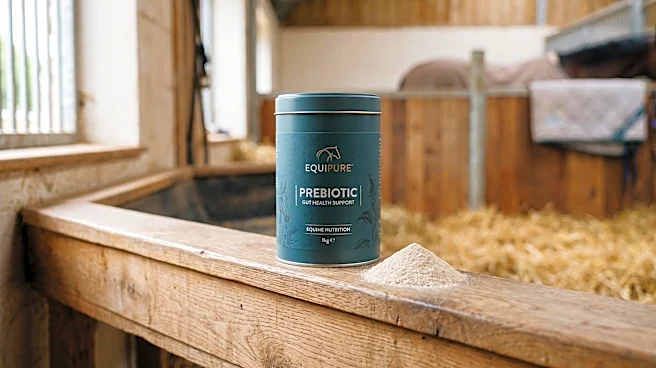
Equine nutrition experts are highlighting the critical role of prebiotics, alongside probiotics and postbiotics, in maintaining optimal digestive health for horses. According to Platinum Performance, the Official Supplement Provider of USPC, a significant
portion of a horse's immune system (70%-80%) resides in the gut, making gut health paramount for overall well-being. Prebiotics are defined as substances that support naturally occurring microbes in the hindgut by feeding the innate good bacteria, allowing them to grow and multiply. This process is crucial for healthy forage digestion. Probiotics, live microorganisms, support the growth and activity of 'good microbes,' contributing to nutrient digestibility, immune support, and gastrointestinal health. Postbiotics are the bioactive compounds produced by probiotics when they consume prebiotics, offering various health benefits. Experts recommend supplementing with these ingredients, along with glutamine, to promote a natural diet, support feed efficiency, and provide preventative care, especially given that modern equine diets often deviate from horses' natural grazing habits by including large amounts of grain.
Why It's Important?
The emphasis on prebiotics and comprehensive digestive support for horses is vital for several reasons. Firstly, it addresses the fundamental health of an animal whose digestive system is highly sensitive and directly impacts its performance, immunity, and overall longevity. Modern equine diets, often rich in concentrates, can disrupt the natural gut flora, leading to various health issues. By promoting prebiotics, experts are advocating for a more natural and balanced approach to equine nutrition, which can prevent digestive upset, improve nutrient absorption, and bolster the immune system. This is particularly important for performance horses, where optimal health directly translates to athletic capability. For horse owners, understanding the distinction and synergistic benefits of prebiotics, probiotics, and postbiotics allows for more informed decisions regarding supplements, potentially leading to healthier horses and reduced veterinary costs associated with digestive problems.
What's Next?
The growing recognition of prebiotics in equine nutrition suggests a trend towards more sophisticated and targeted feed and supplement formulations for horses. Manufacturers are likely to develop products that specifically highlight their prebiotic content and the benefits of a synbiotic approach. Educational initiatives for horse owners, trainers, and veterinarians will likely expand, focusing on the science behind gut health and the practical application of these nutritional concepts. Research into the specific types and dosages of prebiotics most effective for different equine breeds, ages, and activity levels is also anticipated. This could lead to personalized nutrition plans for horses, similar to trends seen in human health. Furthermore, the integration of gut health assessments, such as microbiome analysis, may become more common in routine equine veterinary care, allowing for proactive and precise dietary interventions.
Beyond the Headlines
The focus on equine gut health, particularly prebiotics, reflects a broader 'one health' perspective, recognizing the interconnectedness of human, animal, and environmental health. The principles of supporting a healthy microbiome in horses mirror those increasingly applied to human health, highlighting universal biological mechanisms. Ethically, providing optimal nutrition and preventative care for horses aligns with responsible animal stewardship, ensuring their well-being and quality of life. This also has economic implications for the equine industry, as healthier horses are more productive, require less veterinary intervention, and have longer careers. Culturally, it reinforces the deep bond between humans and horses, where owners are increasingly seeking advanced, science-backed methods to care for their animals, moving beyond traditional practices to embrace modern nutritional science.