





What's Happening?
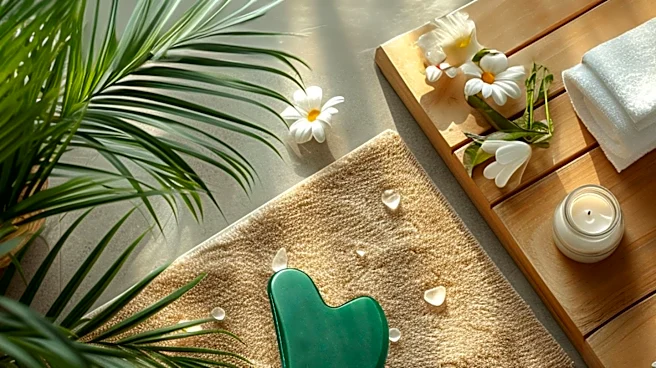
Spas in Phoenix, Arizona, are distinguishing themselves with desert-inspired treatments that incorporate local elements such as mineral salts, warm stones, and desert botanicals. These spas, including Arizona Grand Resort & Spa, Royal Palms Resort & Spa, and Sanctuary
Camelback Mountain, offer unique experiences like the Grand Desert Body Scrub, Himalayan Salt Hot Stone Massage, and Sonoran Seasonal Facials. Many resorts also provide spa passes through ResortPass, allowing day guests to access amenities like steam rooms, saunas, pools, and relaxation lounges without requiring an overnight stay. The treatments are designed to address the specific needs of skin and body in a dry climate, emphasizing hydration and gentle care. Guests are advised to book early, hydrate consistently, and plan around the seasons to maximize their spa experience.
Why It's Important?
The focus on desert-inspired treatments in Phoenix spas highlights a growing trend in the U.S. wellness industry towards localized and experiential offerings. This approach allows spas to differentiate themselves by leveraging regional natural resources and cultural elements, creating unique selling propositions. For consumers, it provides an opportunity to engage with wellness in a way that is deeply connected to the environment, potentially enhancing the therapeutic benefits. The availability of spa passes also democratizes access to luxury resort amenities, making high-end self-care more accessible to local residents and day visitors. This model can boost revenue for resorts by attracting a broader clientele beyond overnight guests, while also promoting regional tourism and showcasing the unique aspects of the Sonoran Desert environment.
What's Next?
The success of Phoenix's desert-inspired spa treatments and wellness passes could encourage other regions in the U.S. to develop similarly localized spa experiences, drawing on their unique natural environments and cultural heritage. This trend might lead to an increase in partnerships between resorts and local suppliers of natural ingredients. Consumers can expect to see more flexible access options, such as day passes, becoming standard at luxury spas nationwide, making wellness more integrated into daily life. Furthermore, there may be a greater emphasis on educational components within spa experiences, teaching guests about the benefits of regional botanicals and traditional healing practices. The industry will likely continue to innovate with treatments that are not only relaxing but also deeply rooted in their geographical context.
Beyond the Headlines
The integration of local desert elements into spa treatments in Phoenix reflects a deeper cultural appreciation for indigenous resources and sustainable practices within the wellness sector. This approach moves beyond generic spa offerings to create a more authentic and meaningful connection between the individual and their environment. Ethically, it raises questions about the responsible sourcing of natural ingredients and the potential impact on local ecosystems. Culturally, it signifies a shift towards valuing regional identity and incorporating it into luxury experiences, offering a unique sense of place. This trend could also foster greater environmental awareness among consumers, encouraging them to seek out and support businesses that prioritize local, sustainable, and culturally relevant wellness practices.