






What's Happening?
A new report from Randstad highlights a significant shift in how Generation Z defines job security, moving away from traditional notions of long tenure to a focus on 'career future-proofing' and employability. For the 2026 workforce, Gen Z views job security through
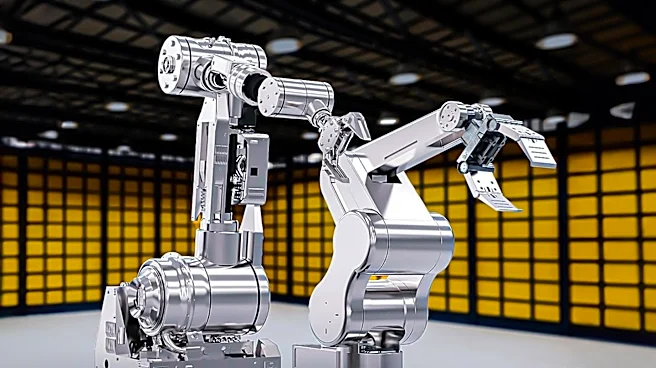
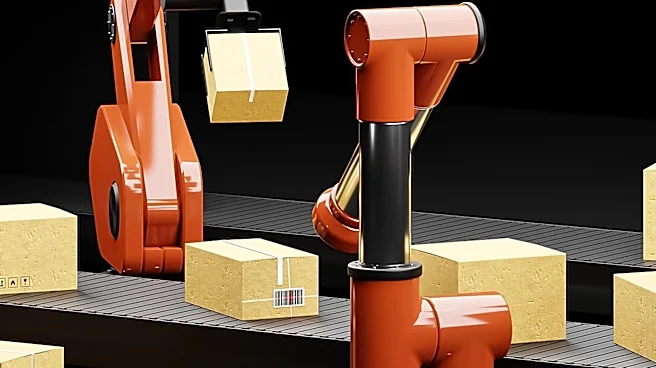
the lens of continuous skill development and integration with advanced technologies like AI. The report indicates that this generation actively seeks roles framed as 'skills incubators,' where Robotics-as-a-Service (RaaS) and AI integration are presented as tools that guarantee long-term employability. This perspective contrasts with older generations, such as Baby Boomers who prioritize institutional continuity and fiscal reliability, and Millennials who look for operational maturity and purposeful growth. The logistics industry, in particular, is urged to tailor its recruitment messaging to address these generational differences, emphasizing how AI can automate repetitive tasks and free up human workers for more meaningful roles, thereby enhancing their future career prospects.
Why It's Important?
This shift in Gen Z's perception of job security has profound implications for U.S. industries, particularly those facing talent shortages and rapid technological advancements. Companies that fail to adapt their employee value propositions (EVPs) to align with Gen Z's priorities risk losing out on a crucial segment of the workforce. The emphasis on AI integration and continuous upskilling means that businesses must invest in training programs and clearly articulate how technology will enhance, rather than replace, human roles. Industries like logistics, which are undergoing significant automation, stand to gain by positioning themselves as environments that foster technological literacy and career adaptability. Conversely, organizations that cling to outdated job security messaging, focusing solely on tenure or traditional benefits, may struggle to attract and retain young talent, potentially impacting their long-term competitiveness and innovation capacity.
What's Next?
In response to Gen Z's evolving demands, U.S. companies are expected to increasingly re-evaluate and update their recruitment strategies and internal development programs. This will likely involve a greater focus on showcasing opportunities for continuous learning, skill acquisition, and exposure to cutting-edge technologies like AI and RaaS. Employers may also need to invest more in transparent communication about their technological roadmaps and how these advancements will benefit employees' career trajectories. Furthermore, the report suggests that companies will need to demonstrate their financial health and market agility to Gen Z candidates, proving they are 'safe harbors' in an unpredictable economic landscape. This could lead to more emphasis on corporate viability, proactive supplier diversification, and clear company visions in recruitment materials and employer branding efforts.
Beyond the Headlines
The Randstad report points to a deeper cultural and economic shift where the traditional employer-employee contract is being redefined by younger generations. Gen Z's demand for 'future-proofing' reflects a broader anxiety about job displacement due to automation and economic volatility, pushing them to seek proactive measures for career resilience. This trend could lead to a more dynamic and adaptable workforce, but it also places a greater onus on employers to provide continuous learning environments and clear pathways for skill development. Ethically, it raises questions about the responsibility of corporations to invest in their employees' long-term employability, especially as technology rapidly transforms job roles. Legally, it might influence future labor policies regarding training and retraining initiatives. Culturally, it signifies a move towards a 'learning economy' where continuous personal and professional development is not just a benefit but a core expectation of employment.