





What's Happening?
Several American destinations are highlighted for their suitability for travelers who prefer spontaneous exploration over rigid itineraries. These locations encourage wandering without a fixed plan, allowing visitors to discover hidden gems, independent
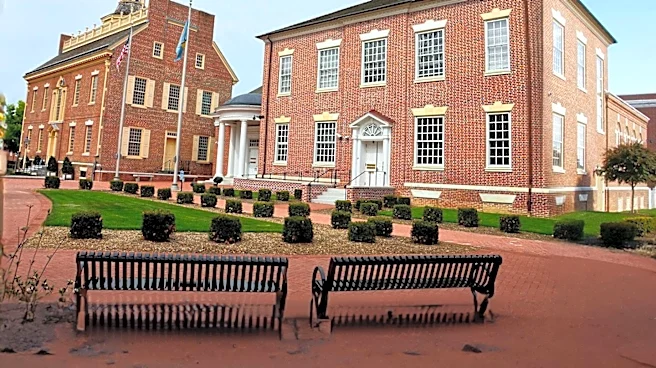
shops, and local culture. Examples include Savannah, Georgia, known for its historic squares and moss-draped streets; Charleston, South Carolina, with its colorful houses and hidden alleys; Santa Fe, New Mexico, offering art galleries behind adobe walls; and New Orleans, Louisiana, where the French Quarter extends beyond its bustling main streets. Other notable mentions are Carmel-by-the-Sea, California, with its storybook cottages; Boston, Massachusetts's Beacon Hill; Key West, Florida's tropical streets; Portland, Maine's Old Port; St. Augustine, Florida's ancient streets; Philadelphia, Pennsylvania's Old City; Alexandria, Virginia's waterfront town; and San Francisco, California's Chinatown and North Beach.
Why It's Important?
This trend towards unplanned travel is significant for the U.S. tourism industry as it caters to a growing segment of travelers seeking authentic and immersive experiences. By promoting destinations where spontaneous discovery is a key attraction, local economies can benefit from visitors spending more time exploring diverse neighborhoods, supporting small businesses, and engaging with local arts and culture. This approach also highlights the unique character and historical richness of American cities, moving beyond typical tourist landmarks. For travelers, it offers a more relaxed and personal way to experience a destination, fostering a deeper connection with the place. It also emphasizes that enriching travel experiences don't always require expensive tours or attractions, as many of these recommended activities, like strolling through historic districts or admiring architecture, are free.
Beyond the Headlines
The emphasis on 'wandering without a plan' reflects a broader cultural shift towards experiential travel and a desire for authenticity. In an increasingly structured world, the appeal of serendipitous discovery offers a refreshing contrast. This approach can also foster a greater appreciation for urban design, historical preservation, and local community efforts that maintain the unique charm of these places. It encourages travelers to slow down, observe, and engage with their surroundings on a more intimate level, potentially leading to unexpected encounters and personal growth. Furthermore, by highlighting destinations where wandering is rewarding, it subtly promotes sustainable tourism practices, as it often involves walking, utilizing public spaces, and supporting local, independent establishments rather than large-scale commercial ventures.