





What's Happening?
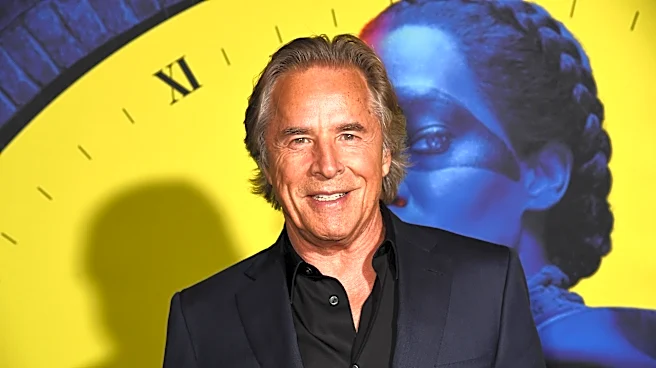
Actor Don Johnson's net worth is estimated at approximately $50 million, a figure attributed to his successful career in television, significant legal wins, consistent film work, and strategic real estate investments. Johnson gained widespread recognition
as Sonny Crockett in 'Miami Vice' during the 1980s, earning substantial per-episode pay and long-term residuals. He further solidified his financial standing with 'Nash Bridges' in the 1990s, where he held a co-producer role and an ownership interest, leading to a reported $23.2 million court award in 2010 for syndication profits. Despite facing financial difficulties, including bankruptcy filings in 2004 related to a ranch near Aspen, Johnson has diversified his income through film roles in productions like 'Django Unchained' and 'Knives Out,' as well as a music career and real estate dealings.
Why It's Important?
Don Johnson's financial journey illustrates the multifaceted nature of wealth accumulation in the entertainment industry, highlighting how a combination of acting talent, strategic business decisions, and legal acumen can lead to significant financial success. His experience with 'Nash Bridges,' where he secured an ownership stake, demonstrates the long-term value of intellectual property rights and profit participation for artists. The reported $23.2 million court award underscores the importance of contractual agreements and the legal recourse available to protect earnings. Furthermore, his recovery from financial setbacks through diversified income streams and real estate investments provides a case study in financial resilience and strategic asset management, offering insights into how public figures manage and grow their wealth over decades.
Beyond the Headlines
Beyond the reported net worth, Don Johnson's career trajectory offers a deeper look into the evolution of celebrity wealth and financial management. His early success in 'Miami Vice' established a foundation, but it was his proactive approach to securing ownership in 'Nash Bridges' that truly transformed his financial landscape, shifting from a salary-dependent model to one with long-term profit potential. The legal battle over syndication profits highlights the often-complex financial structures within Hollywood and the necessity for artists to understand and protect their intellectual property. His real estate ventures, including overcoming bankruptcy challenges, further illustrate the importance of diversified investments and astute financial planning in maintaining and growing wealth, even for those with high public profiles. This narrative reflects broader trends in how creative professionals can leverage their work for enduring financial security.