






What's Happening?
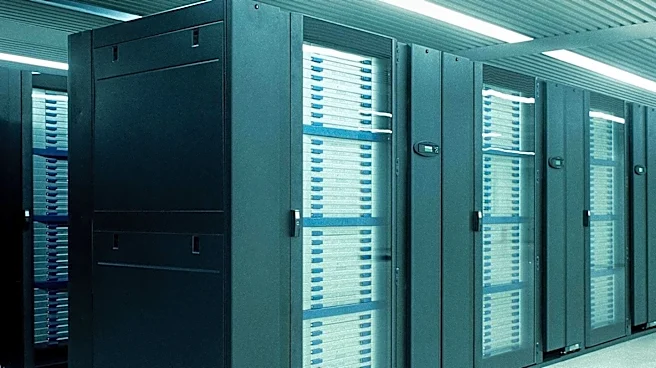
Memory prices are projected to rise significantly, with increases of 40-50% expected in the third quarter of 2026, according to Jefferies Equity Research. This surge is attributed to high demand from AI data centers, which are purchasing large quantities
of RAM and SSDs. The trend is expected to continue, with further price hikes anticipated in the fourth quarter and into 2027. A recovery in memory prices is not expected until 2028, when increased production may lead to a modest price reduction.
Why It's Important?
The rising cost of memory components is likely to impact various sectors, particularly those involved in technology and consumer electronics. Companies that rely on these components for manufacturing PCs, smartphones, and other devices may face increased production costs, potentially leading to higher prices for consumers. The situation underscores the influence of AI and data center demands on global supply chains and market dynamics.
What's Next?
As memory prices continue to rise, manufacturers and consumers may need to adjust their strategies and budgets. Companies might explore alternative suppliers or technologies to mitigate costs. The ongoing demand from AI applications suggests that the market will remain competitive, with potential for further innovation and investment in memory production capabilities.