







What's Happening?
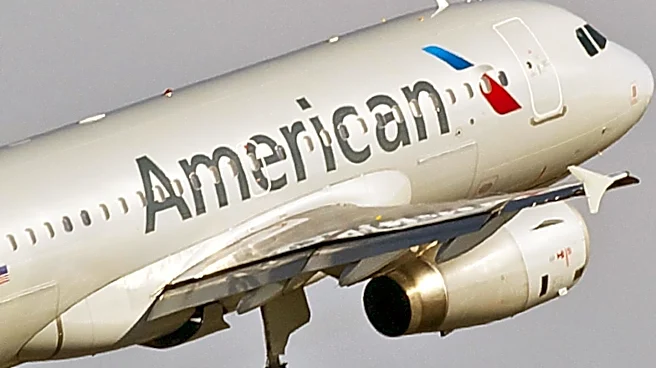
American Airlines is actively recruiting an Associate Product Manager for Technology Products, specifically focusing on Artificial Intelligence (AI). This role is part of the Digital Customer Experience team within the Commercial Division and is based
in Fort Worth, Texas. The successful candidate will be instrumental in defining and delivering the next generation of AI and 'Agentic' customer experiences. This involves transforming customer and business challenges into solutions that generate measurable value for the airline. The position requires collaboration across various departments, including Customer Experience, Commercial, Technology, Data, and AI teams, to help shape and execute the company's AI strategy and roadmap. Key responsibilities include designing and optimizing AI agents, workflows, customer context, decision-making processes, and orchestration capabilities to enable intelligent experiences at scale. The role also aims to evolve AI applications from isolated use cases into interconnected 'Agentic' experiences that can understand context, make decisions, and take actions across multiple customer interaction channels.
Why It's Important?
This hiring initiative by American Airlines underscores a significant strategic shift within the airline industry towards leveraging advanced AI to enhance customer interactions and operational efficiency. By investing in specialized roles like the Associate Product Manager for AI, American Airlines aims to stay competitive and improve its service offerings in a rapidly evolving digital landscape. The development of 'Agentic' customer experiences suggests a move beyond basic chatbots to more sophisticated AI systems capable of understanding complex customer needs and proactively addressing them across various touchpoints. This could lead to more personalized and seamless travel experiences for passengers, potentially increasing customer satisfaction and loyalty. Furthermore, the integration of AI into core customer experience strategies can streamline internal processes, reduce operational costs, and provide valuable data insights for future business decisions, impacting the airline's overall profitability and market position.
What's Next?
The successful integration of AI into American Airlines' customer experience framework could lead to several foreseeable developments. Customers might experience more intuitive and efficient interactions with the airline, from booking and check-in to in-flight services and post-travel support. This could manifest as AI-powered virtual assistants that offer personalized recommendations, resolve issues more quickly, and anticipate customer needs. Internally, the airline may see increased efficiency in its customer service operations, potentially reducing call center volumes and improving response times. The insights gained from AI-driven data analysis could also inform future product development and service enhancements. Other airlines in the competitive U.S. market are likely to observe American Airlines' progress in this area, potentially accelerating their own AI adoption strategies to keep pace with evolving customer expectations and industry standards. This could trigger a broader industry trend towards more sophisticated AI integration in customer-facing roles.
Beyond the Headlines
The push towards 'Agentic' AI experiences by American Airlines highlights a broader technological trend where AI systems are becoming more autonomous and capable of complex decision-making. This raises important ethical and practical considerations regarding the balance between AI-driven efficiency and human interaction in customer service. While AI can offer speed and consistency, the nuances of human empathy and problem-solving remain critical, especially in high-stress situations like travel disruptions. The long-term implications could include a redefinition of customer service roles, with human agents focusing on more complex or emotionally sensitive issues, while AI handles routine inquiries. There's also the potential for AI to personalize travel experiences to an unprecedented degree, raising questions about data privacy and the extent to which customer data is used to tailor services. This development could set a precedent for how other service industries adopt advanced AI, influencing consumer expectations across various sectors.