



What's Happening?
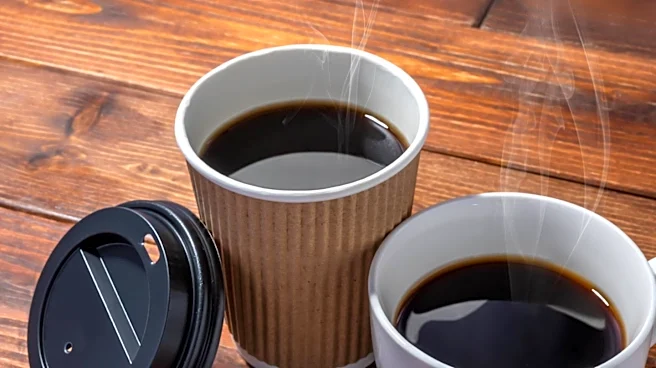
The 'black eye' coffee, a functional beverage consisting of a cup of brewed drip coffee with two shots of espresso added, is gaining popularity among consumers seeking high caffeine content for productivity. This drink is an intensified version of the
'red eye' (one espresso shot) and precedes the 'dead eye' (three espresso shots). The espresso shots enhance the coffee's concentration, body, and caffeine load, making it a potent option for early shifts, long drives, and meeting deadlines. While the exact caffeine content varies based on beans, cup size, and machine, a black eye typically contains between 200-350 mg of caffeine. The U.S. Food and Drug Administration (FDA) advises healthy adults to limit caffeine intake to 400 mg per day, making a single black eye a significant portion of this recommendation. The appeal lies in its ability to deliver a substantial caffeine boost while maintaining the familiar flavor profile of ordinary coffee, without the sweetness often found in milk-based drinks.
Why It's Important?
The increasing popularity of the 'black eye' coffee reflects a growing trend in the U.S. towards functional beverages that offer specific benefits, particularly enhanced energy and focus for demanding schedules. This trend impacts the U.S. coffee industry, driving demand for higher-caffeine options and potentially influencing product development in cafes and retail. Coffee shops may see an increase in orders for customized, high-potency drinks, requiring baristas to be proficient in preparing such variations. For consumers, especially those in high-stress professions or with long working hours, the black eye offers a readily accessible tool for managing fatigue and boosting performance. However, the high caffeine content also raises public health considerations, as individuals may inadvertently exceed recommended daily limits, potentially leading to adverse health effects. This could prompt greater awareness campaigns about caffeine consumption and responsible marketing practices within the beverage sector. The shift towards functional drinks also signifies a broader consumer desire for products that actively contribute to their well-being and productivity, moving beyond simple refreshment.
What's Next?
As the demand for functional beverages like the black eye continues, coffee retailers and manufacturers may explore further innovations in high-caffeine drink options, potentially introducing new blends or customizable features. There could be an increased focus on ingredient transparency, with brands providing clearer information about caffeine content to help consumers make informed choices. Educational initiatives regarding safe caffeine consumption, aligning with FDA guidelines, might become more prevalent, possibly through in-store signage or online resources. The trend could also spur competition among coffee brands to offer unique functional benefits beyond just caffeine, such as added nootropics or adaptogens, to cater to a health-conscious and productivity-driven market. Furthermore, the popularity of such potent drinks might influence the design of coffee machines and brewing methods, optimizing them for efficient espresso shot integration into larger coffee volumes. This could lead to a more diverse and specialized coffee market in the U.S., catering to a wide range of energy and wellness needs.
Beyond the Headlines
The rise of the 'black eye' coffee points to a deeper societal emphasis on productivity and performance in the U.S., where individuals are increasingly seeking external aids to maintain high energy levels and cognitive function. This trend can be seen as a reflection of demanding work cultures and the constant pressure to achieve more, faster. The reliance on high-caffeine beverages to sustain this pace raises questions about long-term health implications and the potential for a 'caffeine culture' that normalizes excessive stimulant use. Ethically, this trend could prompt discussions about the responsibility of beverage companies in promoting products with significant physiological effects. Culturally, it highlights how coffee, traditionally a social or ritualistic drink, is increasingly being viewed as a functional tool for personal optimization. This shift could also influence the perception of fatigue and rest, potentially leading to a societal expectation of continuous high performance, with implications for mental health and work-life balance. The black eye, therefore, is not just a drink but a symbol of a broader societal drive for efficiency and endurance.