

What's Happening?
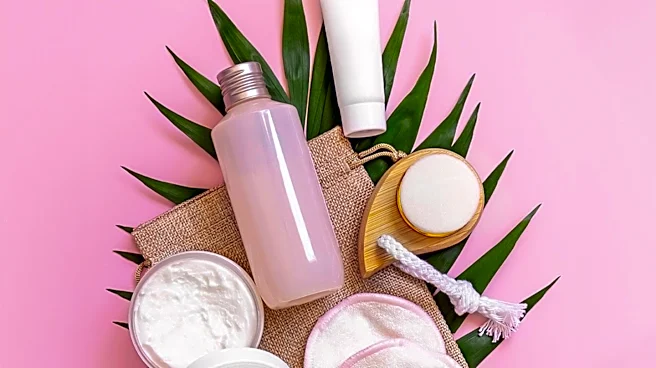
The beauty industry is experiencing a significant shift towards refillable product systems, driven by increasing consumer demand for sustainable options. These systems allow users to retain durable outer containers and replace only the product component,
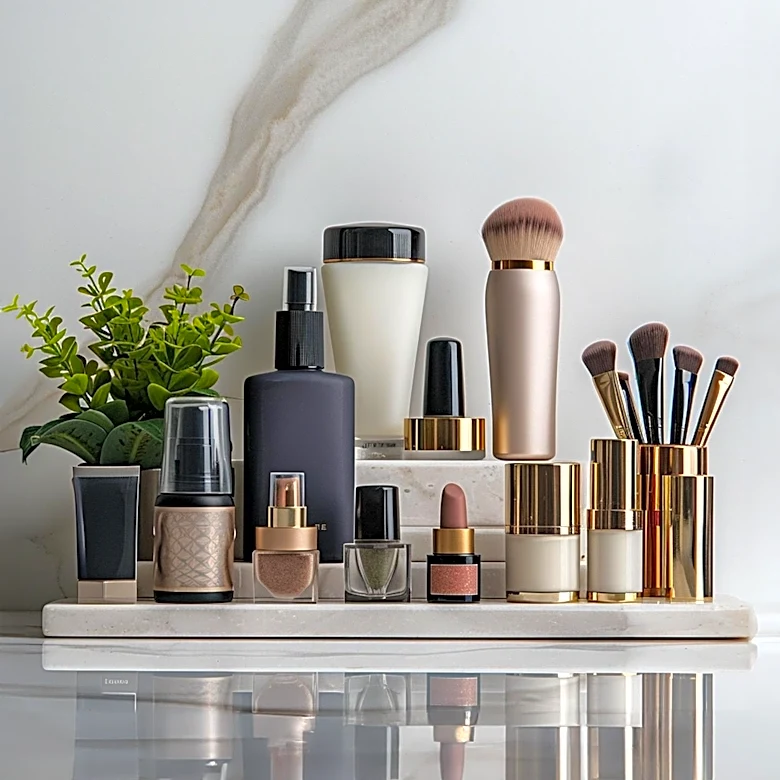
thereby reducing packaging waste. This trend is part of a broader movement towards circular consumption models within the beauty sector. Brands are focusing on practical design choices to ensure the success of refillable formats, emphasizing ease of use, attractive packaging, affordability, and hygiene. The goal is to integrate sustainability seamlessly into daily routines without compromising product quality or the premium feel of beauty products. Refillable options are designed to be convenient, with simple twist-and-replace mechanisms for various product types, including lipsticks and foundations. This approach not only addresses environmental concerns but also offers financial benefits to consumers through reduced costs for refills compared to purchasing entirely new products.
Why It's Important?
The growing adoption of refillable beauty products signifies a crucial evolution in consumer behavior and industry practices. For U.S. consumers, this trend offers a practical way to reduce their environmental footprint and save money over time, as refills are typically 10-15% cheaper than full products. For the beauty industry, embracing refillable systems can enhance brand loyalty and attract environmentally conscious customers. It also pushes manufacturers to innovate in packaging design, focusing on durable, reusable outer components and efficient, lightweight refill units. This shift can lead to a reduction in landfill waste and resource strain associated with single-use packaging. Furthermore, it encourages a more intentional approach to consumption, aligning with broader societal goals of sustainability and responsible resource management. Brands that successfully implement these systems stand to gain a competitive advantage in a market increasingly valuing eco-friendly solutions.
What's Next?
The future of refillable beauty products is expected to see continued innovation and expansion into more mainstream markets. Brands will likely explore advanced materials for packaging and broaden the range of products available in refillable formats. This evolution aims to make refills not only practical but also elegant and desirable, further integrating them into daily beauty rituals. Consumers can anticipate more options across various beauty categories, from skincare to makeup, as companies respond to the demand for quality, convenience, and responsibility. The industry will also likely focus on clearer communication regarding the environmental benefits and cost savings of these systems to encourage wider adoption. Additionally, there may be increased collaboration between brands and recycling initiatives to ensure that refill components are properly managed at the end of their life cycle, supporting a truly circular economy.
Beyond the Headlines
The rise of refillable beauty products extends beyond mere packaging solutions, reflecting deeper ethical and cultural shifts in consumer values. It highlights a growing awareness of environmental impact and a desire for more mindful consumption practices. This trend challenges the traditional linear model of production and disposal, promoting a circular economy where resources are kept in use for as long as possible. Ethically, it places a greater responsibility on brands to design products with their entire lifecycle in mind, moving towards a more sustainable and less wasteful industry. Culturally, it signifies a shift in what consumers value in beauty products—beyond efficacy and aesthetics, sustainability is becoming a key differentiator. This movement could inspire similar changes in other consumer goods sectors, fostering a broader cultural shift towards reusability and waste reduction across various industries.