




What's Happening?
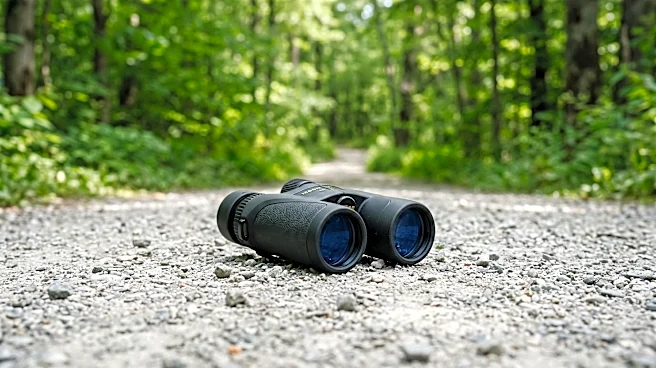
Birders with disabilities are actively working to make the hobby and outdoor spaces more accessible and inclusive. Nick Parker, a birder from central Vermont who is hard of hearing, organized an inclusive birding event at the North Branch Nature Center
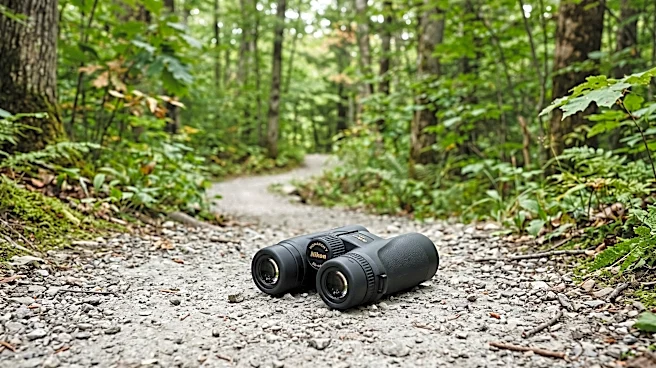
in Montpelier. The event featured a bird walk along the center’s Universal Access Trail, a wide and flat packed gravel path, and included an American Sign Language (ASL) interpreter to facilitate communication. Parker volunteers with Birdability, a national nonprofit dedicated to making birding welcoming and safe for everyone. This event was the first Birdability event hosted in Vermont. Mary Essex, who is deaf, also participated and highlighted the importance of ASL interpreters for communication within the group. Jude Hawthorne, a wheelchair user, emphasized the need for accessible trails, noting that disabled individuals are often excluded from outdoor spaces. Accessible trails are becoming more common in Vermont, such as the new trail at the Pratt Refuge in Duxbury.
Why It's Important?
This initiative is important because it addresses a significant gap in accessibility within outdoor recreational activities, particularly birding. By actively involving birders with disabilities in organizing and participating in events, it highlights the need for inclusive design and practices in public spaces. The use of ASL interpreters and accessible trails directly benefits individuals with hearing impairments and mobility challenges, allowing them to fully engage in activities that promote physical and mental well-being. This movement also challenges the perception that outdoor hobbies are exclusive, fostering a more diverse and representative community of nature enthusiasts. The efforts of organizations like Birdability and individuals like Nick Parker demonstrate a proactive approach to breaking down barriers, setting a precedent for other recreational groups and public land managers to adopt similar inclusive strategies. This ultimately enriches the experience for all participants by promoting a more welcoming environment.
What's Next?
Nick Parker plans to collaborate with other birding groups across Vermont to host more accessible events, aiming to expand the reach and impact of inclusive birding initiatives. The increasing presence of accessible trails, such as those at the North Branch Nature Center and the Pratt Refuge, suggests a growing trend towards more inclusive outdoor infrastructure in Vermont. This development could encourage other states and national parks to invest in similar accessibility improvements. The success of these events may also lead to increased awareness and funding for organizations like Birdability, enabling them to further their mission of making birding and nature more accessible nationwide. Continued advocacy from individuals like Parker and Essex will be crucial in driving these changes and ensuring that the needs of birders with disabilities are met.
Beyond the Headlines
The movement for accessible birding and outdoor activities has broader implications for societal inclusion and the redefinition of public spaces. It underscores the ethical imperative to design environments that cater to diverse needs, moving beyond mere compliance to genuine integration. This shift can lead to a more empathetic society where the contributions and experiences of individuals with disabilities are valued and facilitated. Furthermore, by making nature more accessible, these initiatives promote environmental stewardship among a wider demographic, potentially fostering a more inclusive and robust conservation movement. The personal stories of individuals like Nick Parker, who finds a sense of self and belonging in birding, highlight the profound psychological and emotional benefits of accessible outdoor engagement, emphasizing that access to nature is not just a recreational amenity but a fundamental aspect of human well-being.