
What's Happening?
The surge in demand for Artificial Intelligence (AI) data centers is causing a significant shortage of memory chips, leading to increased prices for consumer electronic devices such such as laptops, game
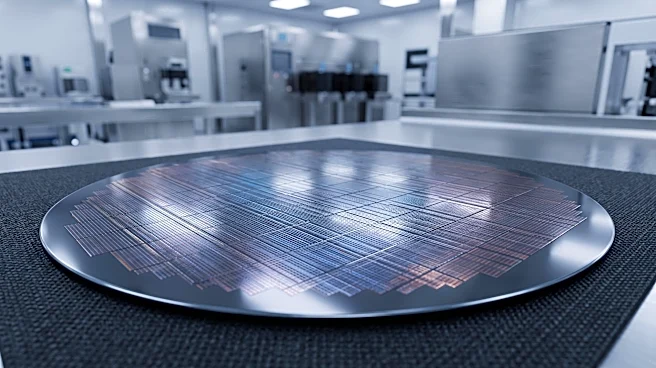
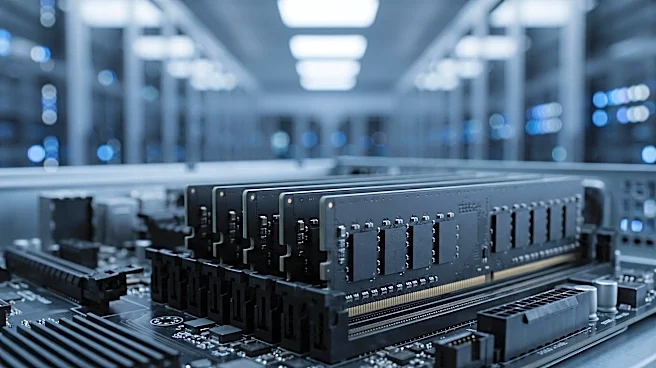
consoles, and tablets. According to CNN Tech Editor Lisa Eadicicco, the three main memory chip manufacturers—Micron, Samsung, and SK Hynix—are struggling to produce enough chips to meet the overwhelming demand from AI data centers while also supplying the consumer electronics market. This prioritization of more lucrative data center contracts means less memory is available for devices like iPads, MacBooks, PlayStation 5, and Xbox consoles, with price hikes already observed and more expected. The memory chips used in consumer devices (DRAM) and AI data centers (HBM, which consists of stacked DRAM modules) are similar, intensifying the competition for these critical components. The manufacturing process for memory chips is highly complex and requires years to establish new production facilities, contributing to the current bottleneck.
Why It's Important?
This memory chip shortage has broad implications for the U.S. technology industry and consumers. For manufacturers of consumer electronics, the increased cost and scarcity of memory chips directly impact production costs, which are then passed on to consumers through higher retail prices. This trend could slow down consumer adoption of new devices and potentially affect sales for companies reliant on these components. For the AI sector, while demand is being met, the intense competition for memory highlights a critical supply chain vulnerability that could impact future growth and innovation if supply cannot keep pace. The situation also underscores the economic principle of supply and demand, where a sudden, massive increase in demand from one sector (AI) can disrupt established markets and pricing structures across related industries. The long-term nature of this shortage, potentially extending until 2028 or even 2031, suggests a sustained period of higher prices and potential challenges for both manufacturers and consumers in the U.S.
What's Next?
Consumers should anticipate continued price increases for electronic devices, with some analysts suggesting that prices may not return to pre-shortage levels. If an upgrade is necessary, purchasing devices sooner rather than later is advised, while also considering the release cycles of new products to avoid immediate obsolescence. The secondhand market for refurbished devices could become a more viable option for budget-conscious consumers. On the supply side, memory manufacturers like Micron are in the process of building new production facilities in the U.S., including in upstate New York and Idaho. However, these plants will take years to become operational, meaning significant relief from the shortage is not expected until at least 2028. The ongoing, rapid expansion of AI data centers will continue to exert pressure on memory chip supply, making it uncertain whether new production capacity will fully alleviate the shortage for consumer electronics.
Beyond the Headlines
The memory chip shortage reveals a deeper structural challenge within the global technology supply chain, particularly as AI becomes increasingly integrated into various aspects of computing. The reliance on a few major manufacturers for such a critical component creates a single point of failure that can have cascading effects across industries. This situation could prompt a reevaluation of supply chain diversification strategies and potentially encourage more investment in domestic chip manufacturing, as seen with U.S. government initiatives. Furthermore, the dilemma faced by device manufacturers—whether to compromise performance by using less memory or pass on higher costs to consumers—could lead to innovative solutions in device architecture or cloud-based processing to mitigate the impact of hardware limitations. The long-term implications could also include a shift in consumer expectations regarding device pricing and longevity, potentially fostering a greater emphasis on device repair and extended use rather than frequent upgrades.