



What's Happening?
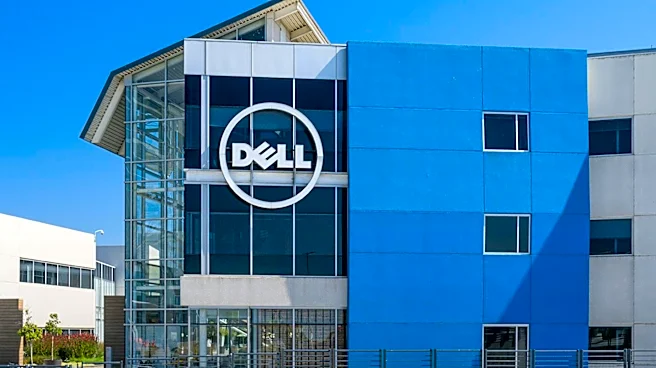
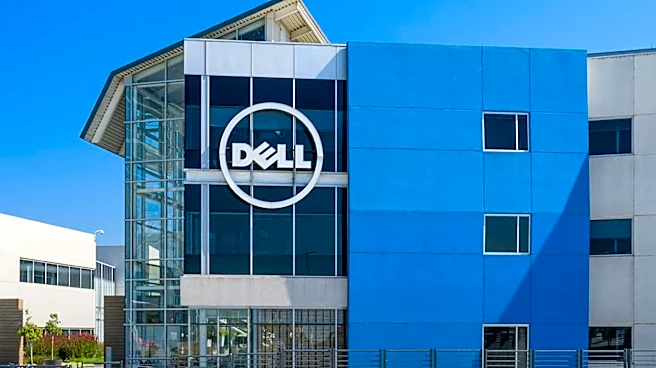
Dell Technologies, founded by Michael Dell in 1984, has evolved significantly beyond its initial focus on personal computers. The company's current offerings span a wide range, including laptops, desktops, monitors, and accessories for individual buyers,
alongside extensive enterprise solutions. These enterprise offerings include PowerEdge servers, designed for infrastructure workloads, and storage solutions like PowerStore and PowerScale. PowerStore is tailored for application-oriented workloads, while PowerScale manages unstructured data through file and object capabilities. The company emphasizes that its diverse product lines require specific considerations for configuration, application, and support, highlighting that a product family name alone does not fully describe a system's capabilities or intended use.
Why It's Important?
The evolution of Dell Technologies under Michael Dell's leadership reflects a broader trend in the technology industry towards diversified portfolios that cater to both consumer and enterprise markets. This strategy is crucial for maintaining relevance and market share in a rapidly changing technological landscape. For businesses, Dell's comprehensive enterprise solutions, such as PowerEdge servers and specialized storage systems, are vital for managing complex IT infrastructures and data needs. The distinction between consumer and enterprise products, and the specific support entitlements associated with each, underscores the importance of informed purchasing decisions for both individual users and large organizations. This approach allows Dell to address a wide array of technological demands, from basic computing to advanced AI-related server applications.
What's Next?
Dell Technologies is expected to continue refining its product lines to meet emerging technological demands, particularly in areas like artificial intelligence and data management. The company's focus on specific configurations and support entitlements suggests a continued emphasis on tailored solutions for diverse customer needs. Future developments will likely involve further integration of AI capabilities into its server and storage offerings, as well as advancements in its personal computing devices. The company's global presence means that while product families and technical documentation are consistent, local market conditions, pricing, and availability will remain key considerations for buyers. Dell's strategy will likely involve ongoing innovation to stay competitive in both the consumer and enterprise technology sectors.
Beyond the Headlines
The trajectory of Dell Technologies, from a dorm room startup to a global technology giant, illustrates the transformative power of innovation and strategic diversification in the tech industry. Michael Dell's early vision of direct sales and customizable PCs laid the groundwork for a company that now addresses complex enterprise challenges. The emphasis on specific product configurations and support highlights the increasing complexity of modern technology and the need for specialized knowledge in IT procurement and management. This evolution also reflects the growing interdependence between hardware and software, where the effectiveness of a system depends not just on its components but also on its integration with applications and the surrounding operational environment. The company's journey underscores the continuous need for adaptation and foresight in the fast-paced world of technology.